Alberta sets an Oct. 19, 2026 referendum with 5 questions that target immigration and newcomer services
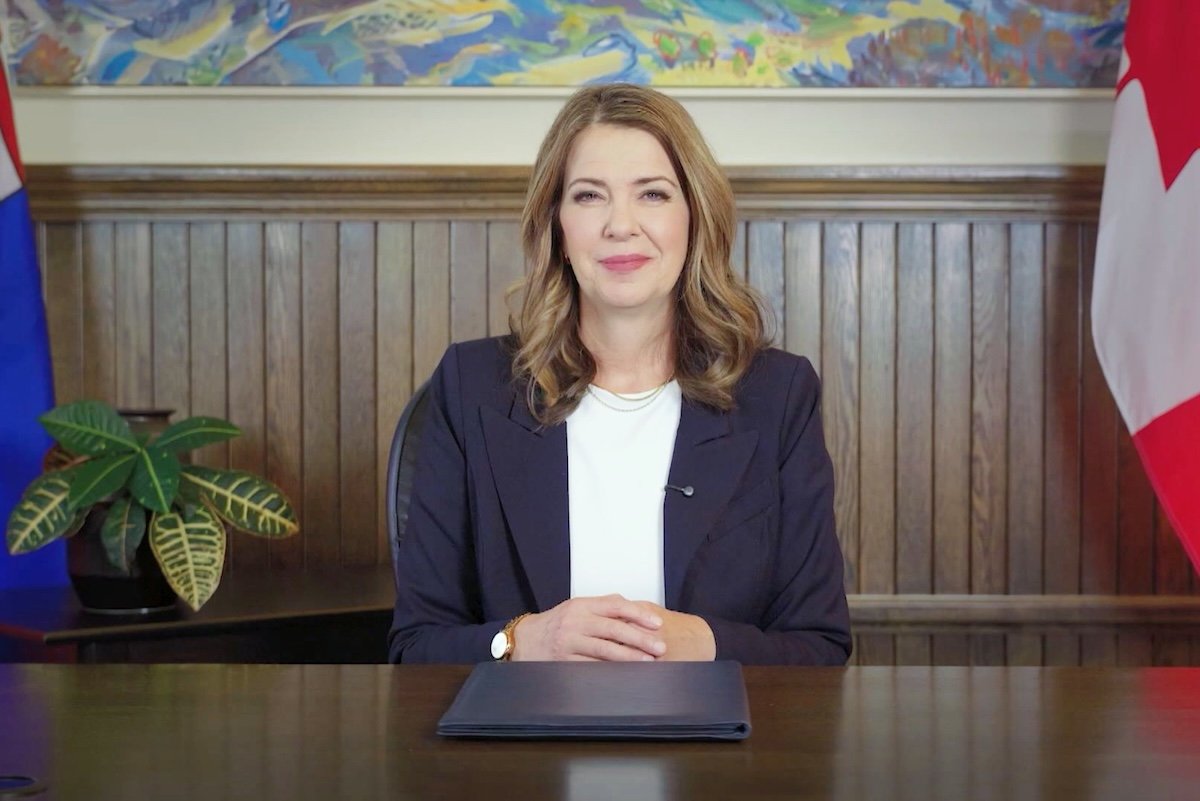
Alberta’s government says it will hold a province-wide referendum on October 19, 2026. In the Premier’s published address, Alberta lists nine total questions, with five focused on immigration rules and access to provincially funded services.
This matters for newcomers because the questions mention possible limits on provincial services and a push for more provincial control over immigration. However, a referendum does not change the rules by itself — any changes would still require new laws and, for many immigration items, federal cooperation.
What exactly was announced
In Alberta’s official posting, the Premier states the referendum will focus on immigration-related issues and other constitutional topics, and then lists the five immigration questions in full.
Multiple Canadian media outlets also report the same referendum date and that immigration is a central theme.
The 5 immigration-related questions, in plain language
Based on Alberta’s published wording, voters will be asked whether Alberta should:
-
Seek increased control over immigration to reduce immigration to “more sustainable levels” and prioritize economic migration.
-
Limit access to provincially funded programs (health, education, social services) to Canadian citizens, PRs, and people with an undefined “Alberta approved immigration status.”
-
Add a 12-month Alberta residency wait for non-permanent residents before they can qualify for provincially funded social support programs.
-
Charge a fee or premium to non-permanent residents for access to public health care and education (while keeping current access for citizens and PRs).
-
Require proof of citizenship to vote in provincial elections (example documents listed include passport, birth certificate, citizenship card).
What Alberta can change, and what likely needs Ottawa
Immigration in Canada is a shared constitutional area (federal + provincial), but federal law can override provincial law if there’s a conflict. This is spelled out in section 95 of the Constitution Act, 1867.
That’s why it’s helpful to separate the questions into two buckets:
-
Provincial services (health, education, social programs): Alberta can propose changes through provincial legislation, but it still has to follow Canadian constitutional limits and existing legal frameworks. Alberta already publishes eligibility rules for health coverage for different groups (for example, temporary residents and students) through AHCIP information pages.
-
“More control over immigration levels”: Alberta already participates through its provincial nominee program, the Alberta Advantage Immigration Program (AAIP), which Alberta describes as run by Alberta and Canada together. Any attempt to go beyond current PNP-style control would likely require negotiation and federal agreement, because the federal government sets national immigration frameworks and admissions.
What this could mean for newcomers in Alberta
Nothing changes today. But if Alberta proceeds after the referendum, these are the practical areas that could affect real people:
-
Temporary foreign workers and international students: the questions talk about either restricting access to some provincially funded programs or introducing fees/premiums for non-permanent residents.
-
PR applicants using AAIP: Alberta could tighten nomination priorities over time (for example, which occupations are targeted), because AAIP rules and draws are controlled provincially within the broader federal system. If AAIP is your pathway, it’s smart to keep an eye on Alberta’s AAIP updates and processing information.
-
Employers: if provincial policies change around eligibility or costs for temporary residents, employers may see extra administrative steps or increased costs for workers and families. (This is not certain — it depends on what laws Alberta actually drafts.)
What to watch next
If you are making decisions based on Alberta, focus on confirmed milestones:
-
The referendum date is set for October 19, 2026 in Alberta’s published address.
-
Elections Alberta explains how referendums work under Alberta’s Referendum Act and notes its referendum information can be updated as legislation changes.
FAQs
Does a referendum change immigration rules automatically?
No. A referendum is a vote on questions. Any actual change would still need legislation and, for many immigration items, would run into federal–provincial jurisdiction rules under the Constitution.
What is “Alberta approved immigration status”?
In Alberta’s posted question, the term appears but is not defined on that page. If Alberta proceeds, the definition would likely be created later through legislation or policy.
What is the current ID rule to vote in Alberta (today)?
Elections Alberta currently lists multiple ways to prove identity and address (for example, one piece of government-issued ID with name and address, or two pieces of ID). That is different from requiring specific citizenship documents.
Reality check
This announcement is a signal, not a final policy. The five questions show the direction Alberta wants to debate, but the real impact depends on what Alberta writes into law afterward, and what is legally possible under Canada’s constitutional structure and federal immigration authority.