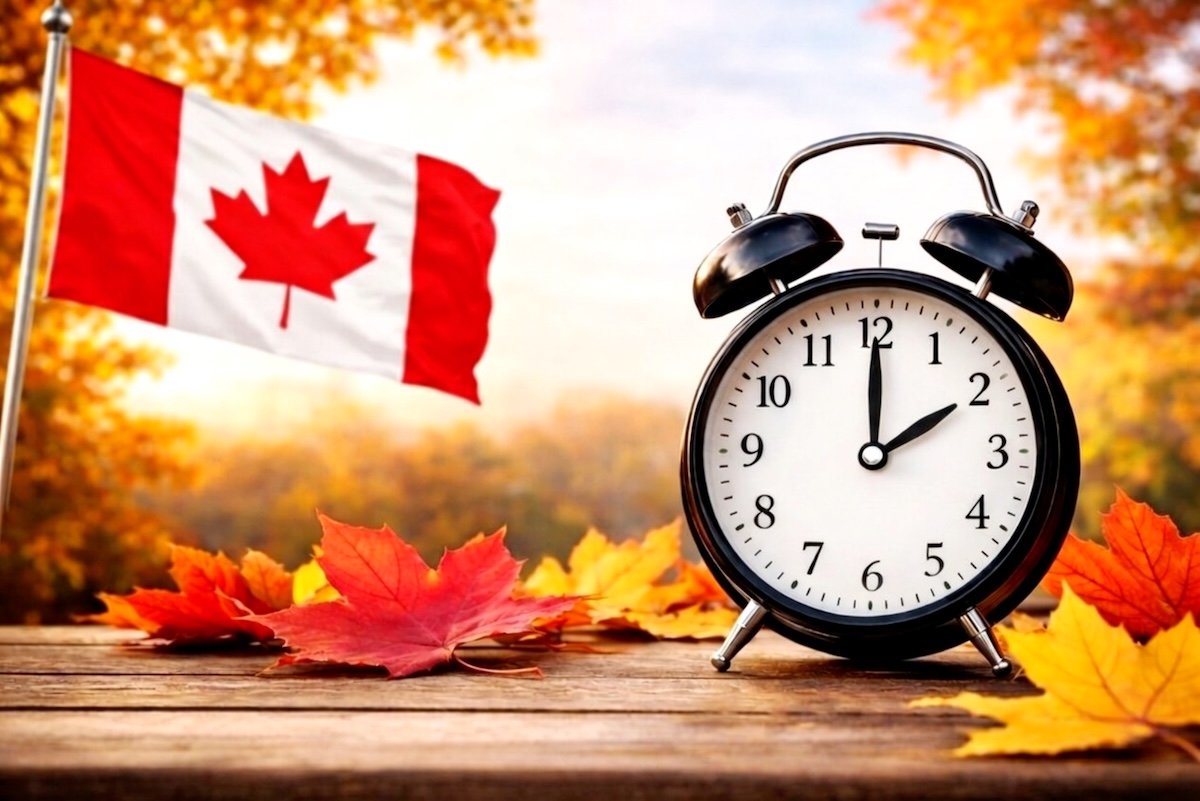
Daylight saving time (DST) begins in most of Canada on Sunday, March 8, 2026. At 2:00 a.m. local time, clocks jump forward to 3:00 a.m., which means you lose one hour overnight.
This matters because the time change can affect flights, work shifts, online meetings, medical appointments, and government appointment times—especially if you’re coordinating across provinces or with the U.S.
When exactly do clocks change in 2026?
-
Starts (spring forward): Sunday, March 8, 2026, at 2:00 a.m. local time → becomes 3:00 a.m.
-
Ends (fall back) for most provinces: Sunday, November 1, 2026, at 2:00 a.m.
Most phones and computers update automatically, but car clocks, ovens, microwaves, and wall clocks often need manual changes.
Which parts of Canada change clocks (and which don’t)?
Most provinces and territories observe DST, but there are key exceptions:
-
Saskatchewan generally does not change clocks (stays on standard time year-round).
-
Yukon has also stopped seasonal clock changes.
-
Some local communities may follow different rules than the rest of their province.
British Columbia: March 8 is the last seasonal time change
The Government of British Columbia announced that after clocks move forward on March 8, 2026, the province will not turn clocks back in November 2026. In other words, B.C. is moving to permanent, year-round daylight saving time (UTC-7), described as “Pacific Time.”
That means starting November 1, 2026, B.C. time may be different from nearby U.S. states (like Washington) if they continue switching back.
Simple checklist to avoid problems this weekend
-
Before bed Saturday (March 7): set manual clocks +1 hour
-
Double-check Sunday morning: alarms, car dashboard, oven/microwave
-
If you’re traveling: re-check departure/arrival times and time zones (especially cross-border)
-
If you have appointments: confirm the local time shown in emails/texts (clinic, school, employer, government office)
Reality check
DST changes are routine, but the confusion usually comes from mixed time zones (different provinces, U.S. coordination, travel days, or online bookings). British Columbia’s permanent switch adds another layer for people who work with schedules outside the province starting November 1, 2026. If you regularly book travel or manage appointments across provinces, it’s smart to confirm time zones every time—especially around March and November.
Official government sources (outlinks)
B.C. News Release – “Adopting permanent daylight saving time”:
https://news.gov.bc.ca/releases/2026AG0013-000209
B.C. Government info page – Permanent daylight saving time details:
https://www2.gov.bc.ca/gov/content/governments/celebrating-british-columbia/daylight-saving-time
Government of Canada (NRC) – Time zones and daylight saving time:
https://nrc.canada.ca/en/certifications-evaluations-standards/canadas-official-time/time-zones-daylight-saving-time
Government of Canada (DND) – “What’s the Correct Time?” (includes DST change dates):
https://www.cfc.forces.gc.ca/265-eng.html