CanadiaNow
Jobs & Career covers practical job search and workplace basics for newcomers in Canada. It focuses on realistic steps: where to search, how to apply, and what to check before accepting a job.
This category includes:
– Where to find jobs and labour market info (Job Bank and trusted resources)
– Resume and cover letter basics for Canadian-style applications
– Regulated occupations (when you may need a licence or certification)
– Getting a Social Insurance Number (SIN) for work
– Workplace rights basics (hours, pay, and how complaints work for federally regulated workplaces)
Reality check: Hiring depends on your location, experience, and legal right to work. Some rules (especially employment standards) vary by province, and regulated jobs can take time to qualify for. Always confirm details using official sources before making decisions.
Job Bank (official job board):
https://www.jobbank.gc.ca/
Find a job in Canada as a newcomer (Job Bank):
https://www.jobbank.gc.ca/findajob/newcomers
Look for jobs in Canada (IRCC settlement info):
https://www.canada.ca/en/immigration-refugees-citizenship/services/settle-canada/job-search.html
Find free newcomer services near you (IRCC):
https://ircc.canada.ca/english/newcomers/services/index.asp
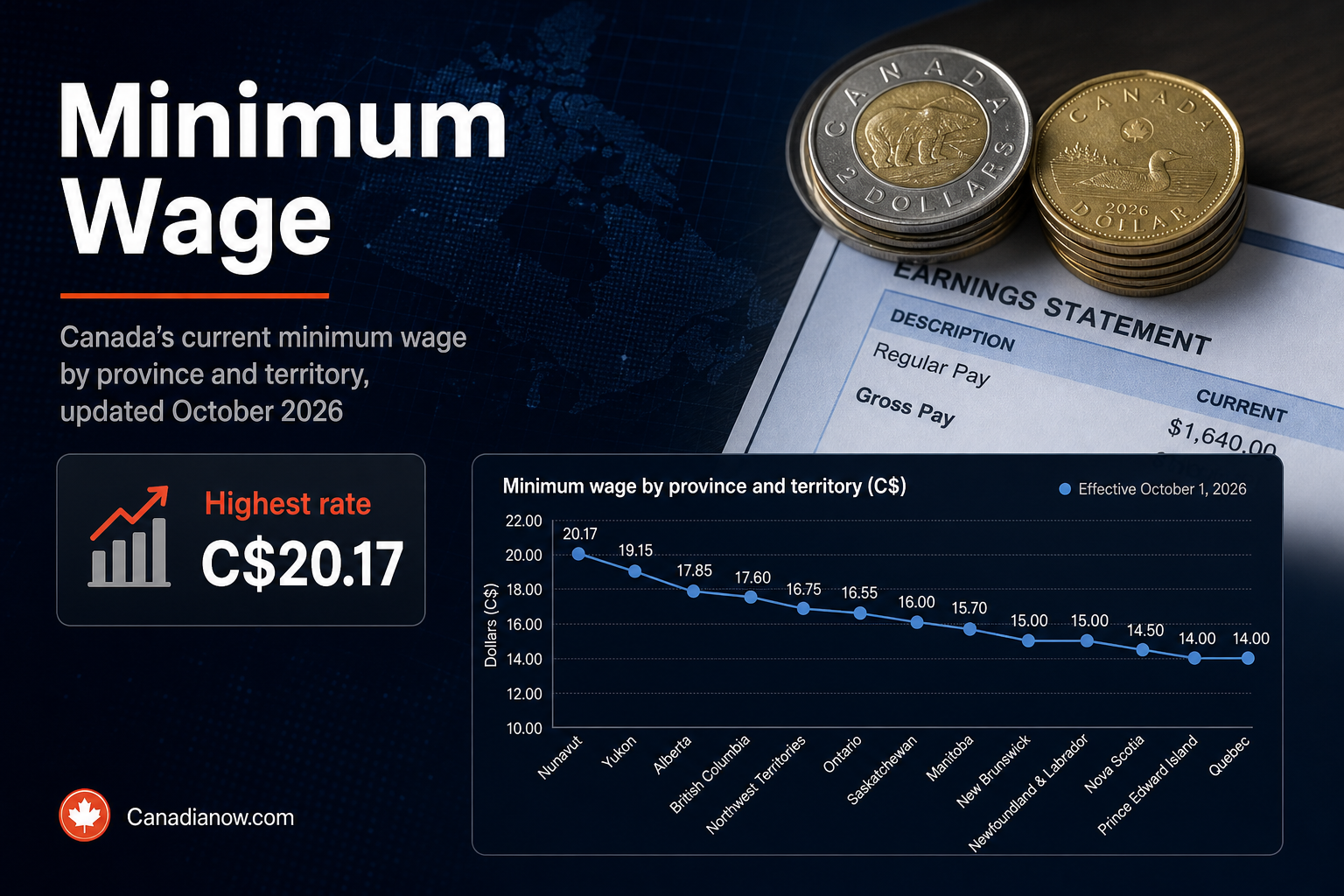
Minimum Wage by Province in Canada (Updated October 2026)
Updated September 24, 2026. Canada has no single minimum wage. Each province and territory sets its own, the federal government ...
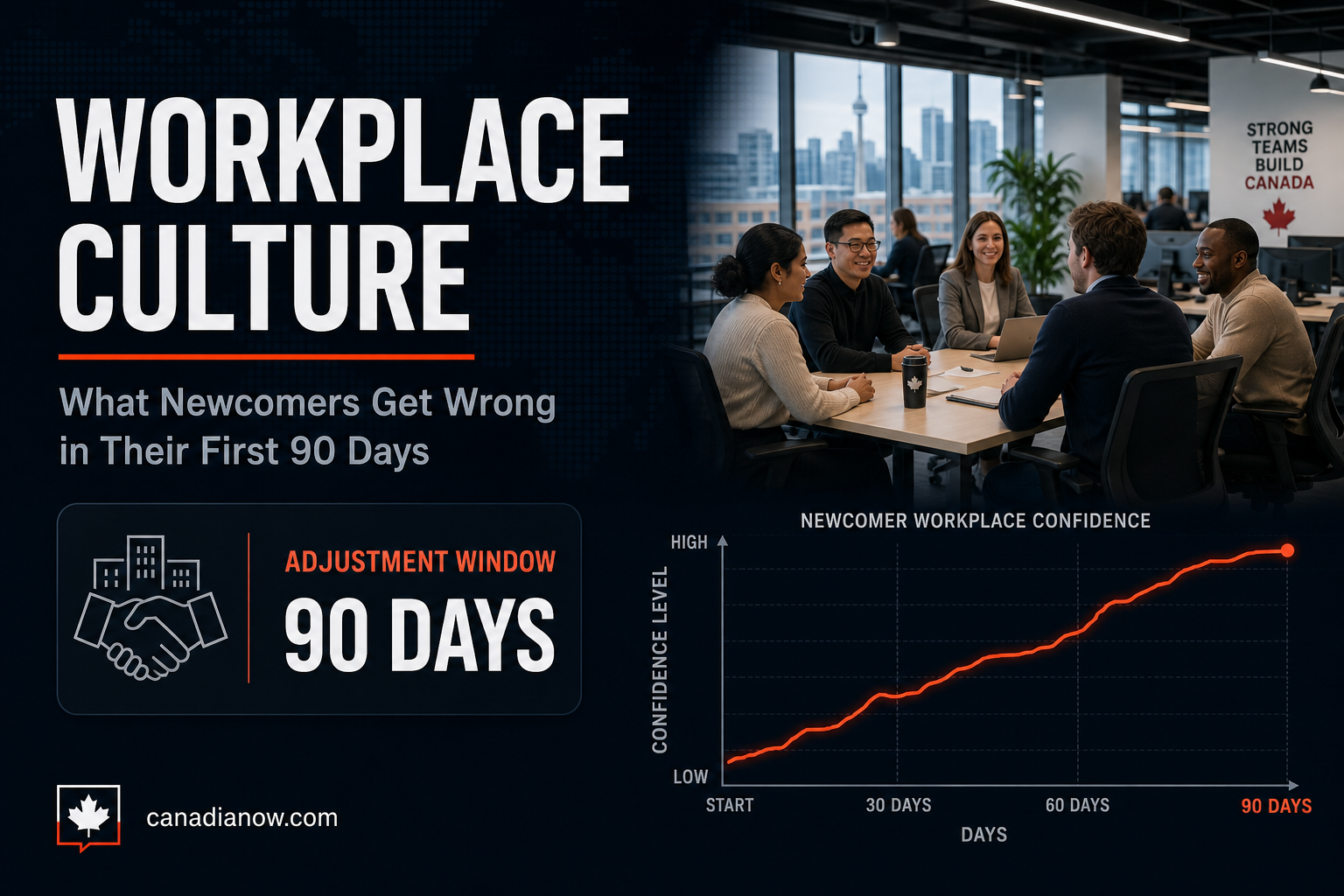
Canadian Workplace Culture: What Newcomers Get Wrong in Their First 90 Days
Technical skill gets newcomers through the interview. What trips people up afterward is usually something nobody put on a checklist ...
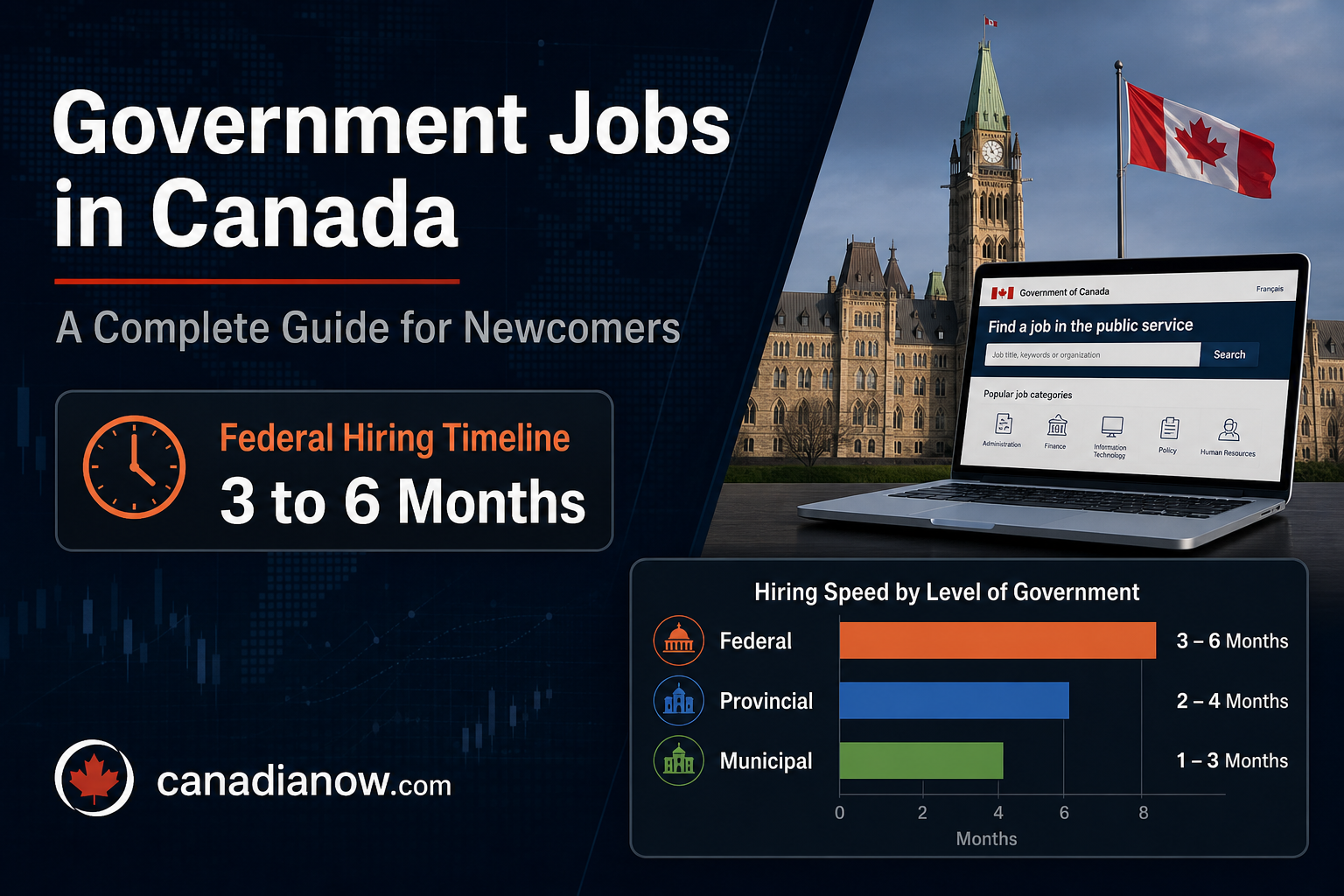
How to Get a Government Job in Canada (Complete Guide)
Government jobs in Canada have a reputation among newcomers as being both highly desirable and nearly impossible to break into ...
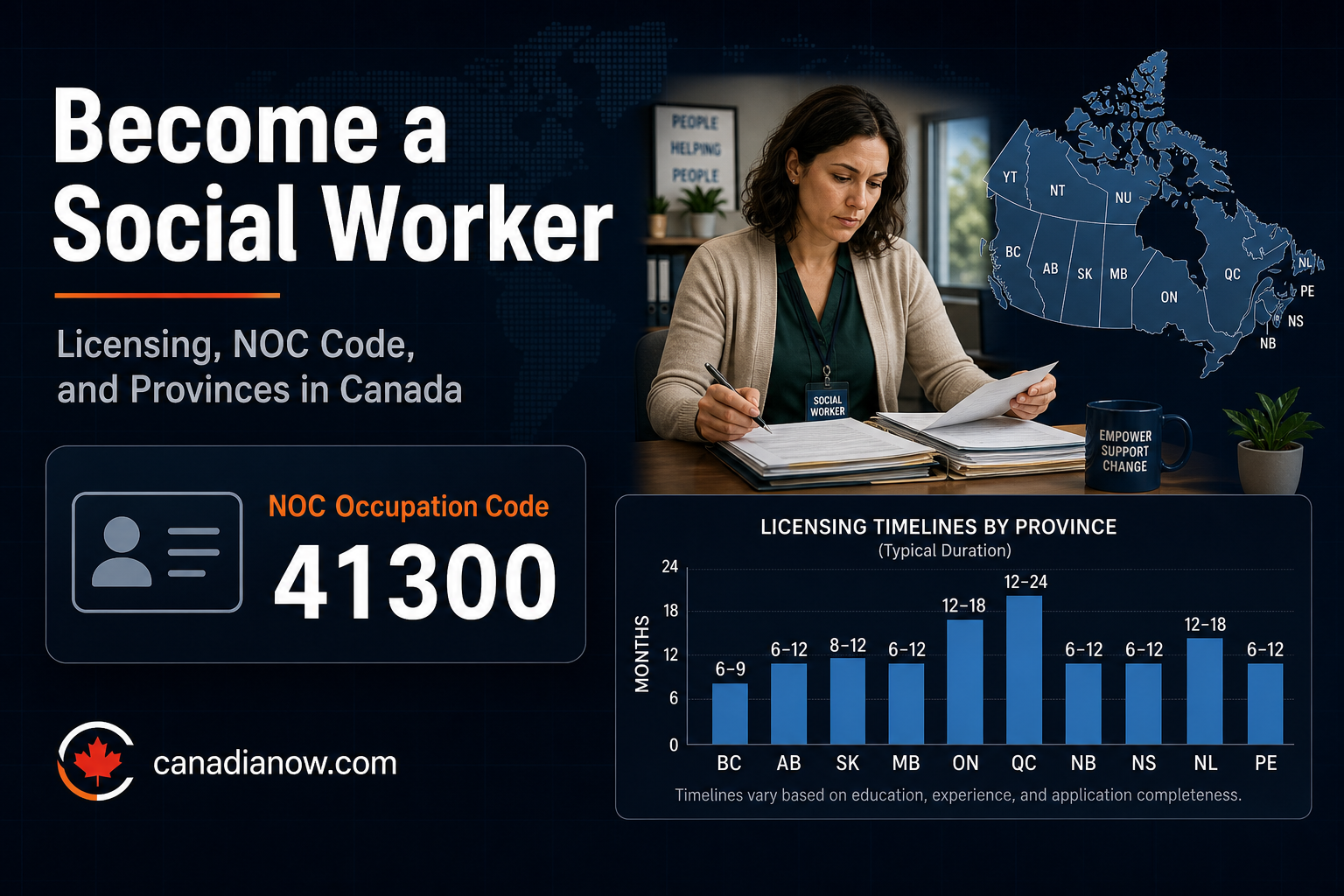
How to Become a Social Worker in Canada (Licensing, NOC Code, Provinces)
Social work is one of the more approachable regulated professions for internationally trained newcomers — there’s steady demand, a clear ...

How Self-Employed and Freelancers Pay CPP and Taxes in Canada (No Employer Withholding)
Quick Answer If you’re self-employed, freelancing, or working as an independent contractor in Canada, no employer withholds tax, CPP, or ...
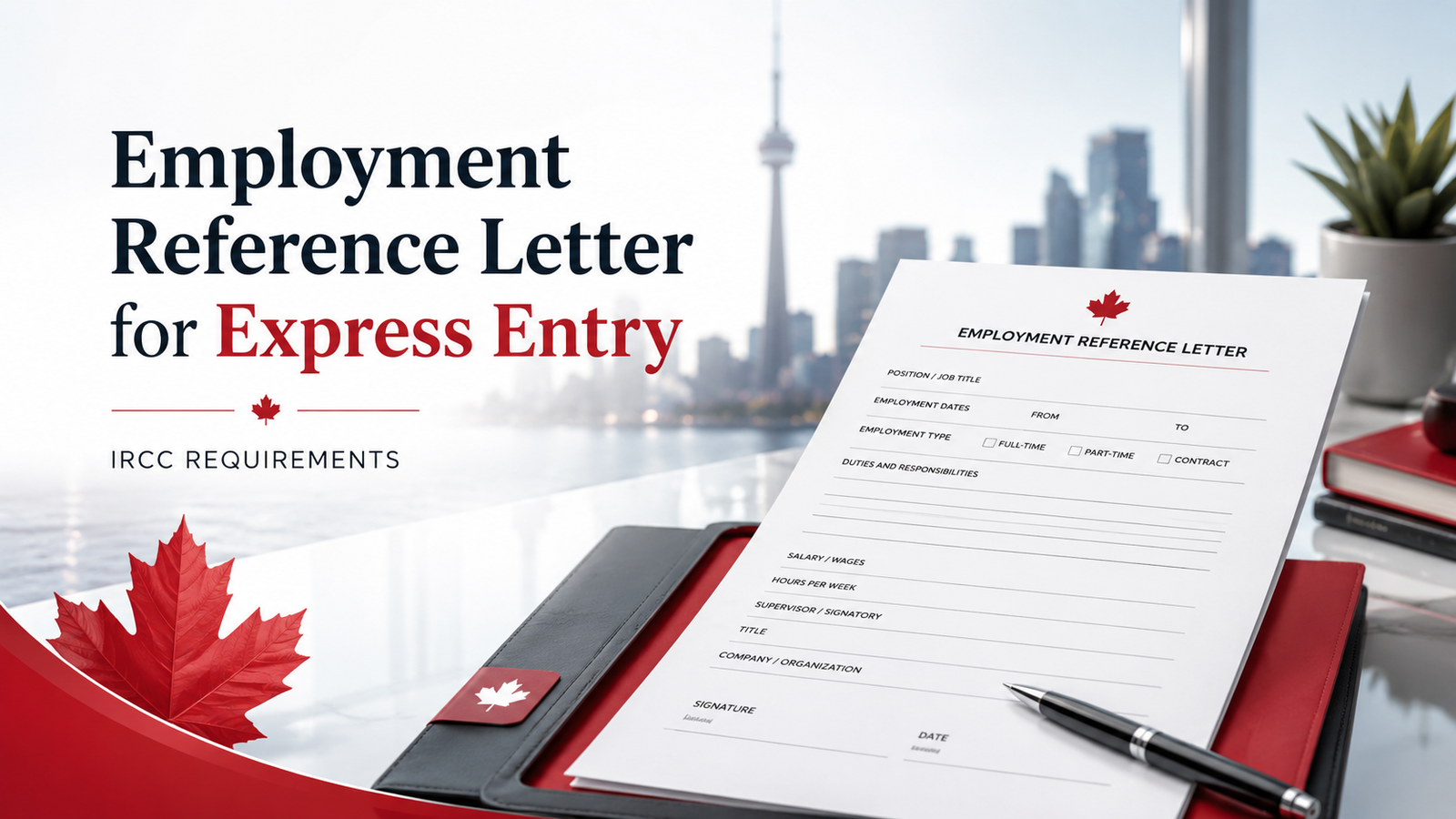
Employment Reference Letter for Express Entry: The Format IRCC Actually Requires
The employment reference letter is the most common reason Express Entry applications fail. The exact IRCC checklist, how the duties section is assessed against your NOC, and what to do when your employer won't cooperate.

Canada AI Work Permit 2026: How the Global Talent Stream Fast-Track Actually Works
Canada announced 20-day fast-track work permits for AI professionals through the Global Talent Stream. The catch most coverage skips: you cannot apply yourself - it is employer-driven. Who qualifies, what it costs, and how to position yourself.

Canadian Resume Format: How to Write One That Actually Gets Interviews
A Canadian resume is 2 pages maximum, no photo, no personal info, and results-focused. Here is how the format differs from UK, US, Indian, and European resumes, and how to pass ATS software that screens candidates before a human sees your application.

AI Jobs in Canada in 2026: Where They Are and How to Get One
Canada has one of the world’s most active AI research and employment ecosystems — driven by government investment, top universities, ...

What Is a Good Salary in Canada in 2026? The Honest Answer
A good salary in Canada in 2026 is approximately $75,000 to $95,000 per year for a single person — but ...