The Streams That Make Up YNP
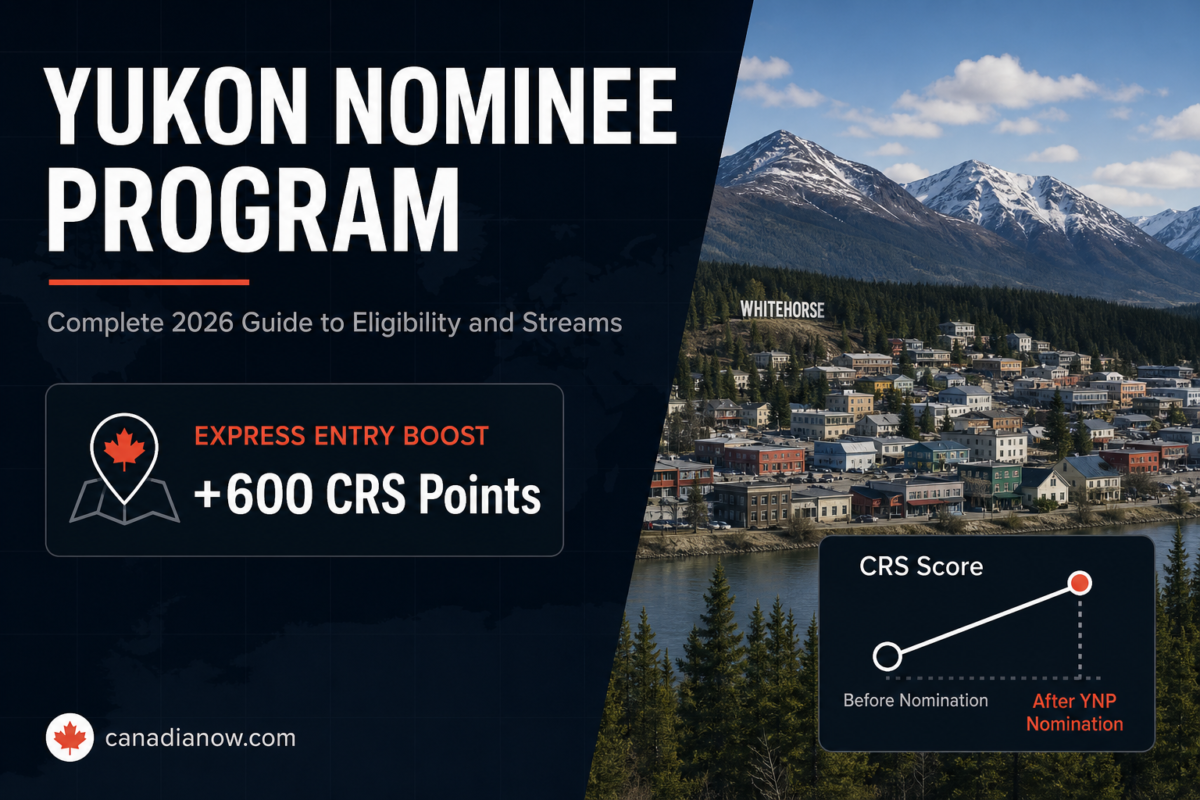
The Yukon Nominee Program is built around a handful of distinct streams, each targeting a different kind of applicant. The Yukon Express Entry stream is for candidates who already have a profile in the federal Express Entry pool and a qualifying job offer from a Yukon employer — nomination through this stream adds the full 600 CRS points and routes through the federal system from there. The Skilled Worker stream serves a similar population but for candidates who aren’t in Express Entry, processing as a standalone application outside the federal points system. There’s also a Critical Impact Worker stream aimed at lower-TEER occupations facing acute local shortages, and a Business Nominee stream for entrepreneurs establishing a business in the territory. This spread matters because it means Yukon has a legitimate pathway for candidates across a wider skill and education range than programs that only nominate through Express Entry, which by definition excludes lower-TEER occupations entirely.What Yukon Employers Actually Need to Do
Employers supporting a nomination need to register with the program and, in most cases, demonstrate that they made genuine efforts to recruit locally before turning to the nominee program — a labour market check similar in spirit to an LMIA, run through the territorial program instead. Yukon’s economy leans on mining, tourism, healthcare, and skilled trades more heavily than a diversified southern economy, and the occupations that see consistent nominee activity tend to reflect exactly that mix.Whitehorse and the Reality of Life in the Territory
The overwhelming majority of Yukon’s population, and nearly all of its economic activity, is concentrated in Whitehorse, which functions less like a small town and more like a compact, self-contained small city with most of the services a newcomer would expect — decent healthcare access, schools, a real housing market, and a genuine (if smaller) job market beyond just the employer that sponsored you. This distinguishes it somewhat from more remote territorial or rural options, since Whitehorse offers more built-out infrastructure than people sometimes assume before researching it. Winters are long and genuinely cold, which is worth being honest with yourself about regardless of how strong the program’s other advantages are.Processing Speed and Why It’s Worth Considering
Like other smaller PNPs, Yukon’s lower application volume compared to Ontario or BC generally translates into faster nomination processing once you have a qualifying job offer in place. For candidates whose CRS score isn’t competitive enough for general federal draws, or whose occupation doesn’t align well with categories currently being targeted federally, a Yukon nomination can be a considerably faster route to the same outcome — permanent residence — than waiting indefinitely in the Express Entry pool.Finding a Job Offer There in the First Place
The practical bottleneck for most candidates isn’t the nomination process itself, it’s finding a Yukon employer willing to hire from outside Canada in the first place. Yukon’s own government-run job board and direct outreach to employers in the territory’s key sectors — mining, healthcare, tourism, and skilled trades — tend to be more productive than broad national job search platforms, since Yukon-based roles are a small fraction of listings on sites built around national and southern-Canada demand.Frequently Asked Questions
Can I apply to the Yukon Express Entry stream without a profile in the federal pool?
No u2014 that specific stream requires an active Express Entry profile, since the nomination adds points and routes through the federal system. Candidates without an Express Entry profile would use the standalone Skilled Worker stream instead.
Does Whitehorse have enough infrastructure for a family to settle comfortably?
Generally yes u2014 Whitehorse has schools, healthcare access, and a functioning housing market, making it more comparable to a small city than an isolated remote outpost, though it’s still worth researching specifics for your family’s needs.
Is the Critical Impact Worker stream open to lower-skilled occupations?
Yes, that’s specifically its purpose u2014 covering occupations facing acute local shortages that wouldn’t otherwise qualify under Express Entry’s TEER restrictions.