The NOC Code You Need to Know
Transport truck drivers fall under NOC 73300 in the current classification system, sitting at TEER 3, which covers occupations that typically require a college diploma or apprenticeship, or in this case, a valid commercial driver’s licence along with several months to a couple of years of on-the-job training. This TEER level matters directly for Express Entry, since it determines which programs and category-based draws the occupation is eligible under.Where Trucking Fits Federally
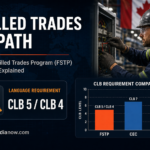
NOC 73300 does not qualify under the Federal Skilled Worker Program, which restricts eligibility to TEER 0, 1, 2, and 3 occupations with specific additional criteria — TEER 3 occupations like trucking are included, but FSW’s education and work experience scoring tends to favor candidates with more formal education than trucking typically requires, which drags CRS scores down for many drivers. The Canadian Experience Class is usually the more realistic federal route once you’re already working in Canada, since it credits Canadian work experience directly regardless of formal education, and a year of qualifying trucking experience under a valid work permit can build toward CEC eligibility. Category-based Express Entry draws have periodically targeted transport occupations directly, given persistent shortages in the sector, which can mean lower CRS thresholds specifically for candidates in trucking and related transportation NOCs during those targeted draws compared to general draws.Provincial Programs Tend to Be the Faster Route
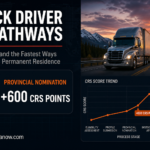
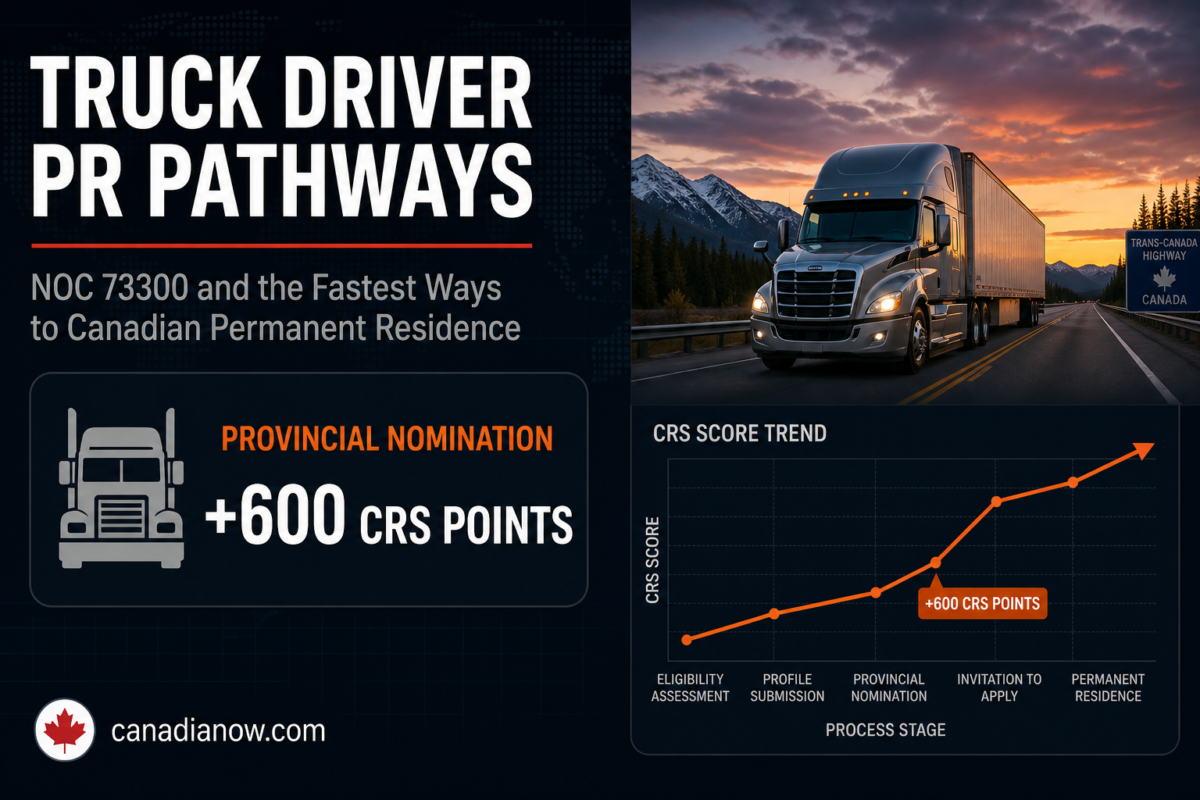
This is where trucking immigration usually gets more traction. Several provinces run PNP streams that explicitly list transport truck driving among in-demand or priority occupations, particularly provinces managing labour shortages tied to agriculture, resource extraction, and cross-border freight. Saskatchewan, Manitoba, and Alberta have all had periods where trucking appeared on employer-driven or occupation in-demand nomination streams, and a provincial nomination adds 600 points to your CRS score, which effectively guarantees an invitation to apply for PR once you receive it. Because provincial in-demand lists shift based on regional labour market needs, checking the current list for the specific province you’re targeting is more reliable than assuming trucking is universally listed everywhere at all times.Getting the LMIA and Work Permit in Place First
For most drivers without a Canadian job offer already, the realistic starting point is a Labour Market Impact Assessment tied to a specific trucking company, since trucking is consistently on the list of occupations where Canadian employers struggle to fill positions domestically. Reputable trucking companies that regularly sponsor foreign drivers tend to have established relationships with immigration consultants and a track record of successful LMIAs — worth researching a company’s sponsorship history before committing, since LMIA-related job scams disproportionately target this exact occupation given how much demand there is among prospective immigrant drivers.Licensing Reality: A Foreign Licence Doesn’t Transfer Directly
Even with a valid work permit, driving commercially in Canada requires a Canadian commercial driver’s licence, and the process for converting foreign driving experience varies significantly by province — some offer licence exchange agreements with certain countries, while others require starting closer to scratch with provincial testing regardless of years of foreign experience. This licensing step needs to happen before you can actually start the job your work permit was issued for, so it’s worth confirming your specific province’s requirements as early as possible rather than assuming the work permit alone is sufficient to get behind the wheel. Our province-by-province guide to exchanging a foreign driver’s licence covers which countries have direct swap agreements.Frequently Asked Questions
Does trucking qualify under the Federal Skilled Worker Program?
It can, since NOC 73300 sits at TEER 3, but FSW’s education and experience scoring often works against drivers with less formal education, which is why CEC or a PNP route is usually more realistic.
Can I get PR as a truck driver without an employer job offer?
It’s difficult federally without one, but some PNP streams nominate based on in-demand occupation lists rather than a specific pre-arranged offer. Checking your target province’s current list is the way to confirm.
Is a foreign commercial licence enough to start driving in Canada?
No. You need a Canadian commercial driver’s licence regardless of your work permit status, and the conversion process u2014 full exchange, partial credit, or starting from scratch u2014 depends entirely on the province and your country of origin.