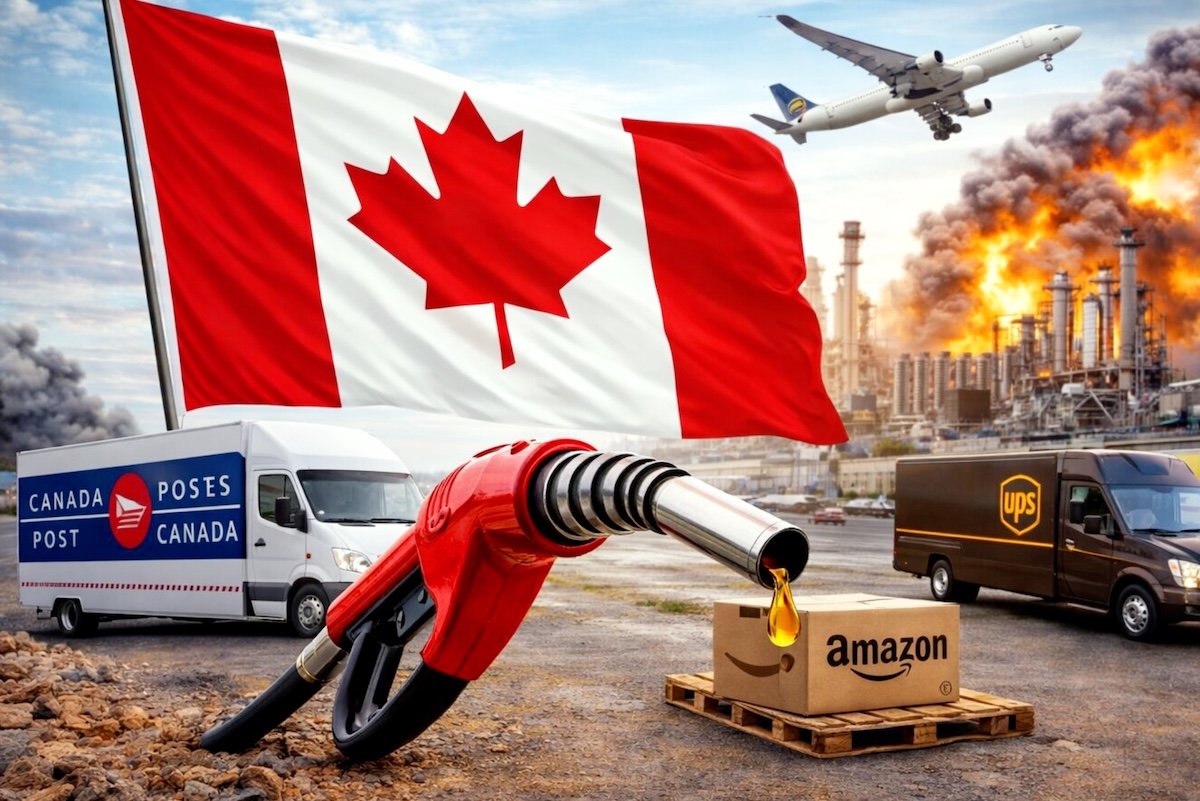
Canadians are facing increased costs for a wide range of goods and services as new fuel surcharges are introduced, driven by the ongoing conflict in the Middle East. The tensions between the United States, Israel, and Iran have led to significant disruptions in global oil supply, causing prices to rise sharply.
Since early March 2026, Iran’s actions have effectively blocked the Strait of Hormuz, a crucial shipping route for approximately 20 percent of the world’s crude oil. This blockade has led to the most severe supply disruption in the history of global oil markets, and Canadians are now feeling the financial impact as businesses pass on these rising costs through various surcharges.
As a result, gas prices in Canada have surged beyond two dollars per litre in several provinces, with experts predicting further increases. This article outlines the new fuel surcharges that are being implemented across different sectors, including airlines and shipping services, and provides essential information for consumers to navigate these changes.
New Fuel Surcharges in Canada Coming in April 2026
Several major companies are introducing new fuel surcharges effective throughout April 2026. These charges are a direct response to the rising fuel costs tied to the Iran conflict.
WestJet Companion Voucher Surcharge Starting April 8
WestJet will implement a temporary fuel surcharge of $60 on all companion voucher bookings starting April 8, 2026. This surcharge will apply to customers using companion vouchers earned through the WestJet RBC World Elite Mastercard or elite status in the WestJet Rewards program. Bookings made before this date will not be subject to the new charge. Additionally, WestJet plans to reduce its flight capacity by approximately one percent in April and three percent in May due to decreased demand.
Amazon Fulfillment Surcharge Starting April 17
Beginning April 17, 2026, Amazon will charge a 3.5 percent fuel and logistics surcharge on fulfillment fees for third-party sellers in Canada and the United States. This surcharge is expected to impact product prices, as sellers may pass these costs onto consumers. The average additional cost for sellers will be about 26 cents per unit, depending on item size.
Air Canada Vacations Sun Destinations Surcharge
Effective April 6, 2026, Air Canada Vacations has introduced a $50 per passenger fuel surcharge on all vacation packages to warm-weather destinations such as Mexico and the Caribbean. This surcharge will be included in the taxes and surcharges section during booking.
Flair Airlines Carrier Surcharge Effective April 6
Flair Airlines has implemented a variable carrier surcharge on all flight bookings starting April 6, 2026, with domestic round-trip flights carrying a surcharge of approximately $40 and international routes seeing surcharges up to $60. Flair Airlines transparently displays these charges during the booking process.
Fuel Surcharges Already in Effect Across Canada
In addition to the upcoming surcharges, several existing fuel surcharges are already affecting Canadians across various shipping and airline services, with rates increasing steadily since February 28, 2026, due to the Iran conflict.
Canada Post Fuel Surcharge Details
Canada Post has raised its fuel surcharges, which are updated weekly based on diesel prices. For the week of April 6 to 12, 2026, the following rates apply:
-
- Domestic Services: 39.00%
-
- U.S. and International Parcel Services: 22.75%
-
- U.S. and International Packet Services: 20.75%
FedEx Canada Fuel Surcharge Details
FedEx Canada updated its fuel surcharge rates as of April 6, 2026, with intra-Canada ground shipments charged at approximately 43.5 percent and international rates at around 20.5 percent. These rates are also adjusted weekly based on diesel prices.
UPS Canada Fuel Surcharge Details
UPS Canada operates an index-based fuel surcharge system that adjusts every Monday. As of late March 2026, the surcharge for standard service within Canada reached 41 percent, a significant rise from earlier rates.
Purolator Fuel Surcharge Details
Purolator’s fuel surcharge increased to 34.5 percent starting April 6, 2026, and will remain in effect through May 3, 2026. This rate is set monthly based on the four-week average diesel price.
Why Fuel Surcharges Are Rising So Dramatically
The ongoing closure of the Strait of Hormuz by Iran has led to unprecedented disruptions in global energy supplies, with Brent crude oil prices surpassing $100 per barrel as a result. The International Energy Agency has described this situation as the largest supply disruption in the history of the global oil market. As jet fuel prices continue to rise, airlines and shipping companies are forced to implement surcharges to manage increased operational costs.
Canadian Gas Prices by Province
As of early April 2026, gas prices across Canada vary significantly, with the national average reaching approximately 181.6 cents per litre. This represents a substantial increase from 134 cents per litre in early March, marking a 35 percent rise in just one month.
Impact on Canadian Households and Businesses
The introduction of fuel surcharges will affect more than just shipping and airline fees; it will likely lead to increases in the prices of everyday goods and services. Economists warn that elevated diesel prices will impact the cost of virtually all products, from groceries to online purchases. Small businesses, in particular, face challenging decisions regarding whether to absorb these rising costs or pass them on to consumers.
Reality Check
As Canadians adjust to these new costs, it is important to remain aware of the risks and uncertainties surrounding fuel surcharges. While many companies frame these surcharges as temporary measures, the sustainability of these prices depends on the resolution of the geopolitical situation in the Middle East. Consumers are advised to verify rates and conditions directly with service providers to ensure they are making informed decisions.
Frequently Asked Questions (FAQs)
Why are Canadian airlines adding fuel surcharges now?
The closure of the Strait of Hormuz by Iran has disrupted approximately 20 percent of global oil supplies, causing jet fuel prices to spike by more than 58 percent since late February 2026. Airlines cannot absorb these massive cost increases without passing some portion to passengers through surcharges or higher base fares.
Will Amazon prices increase due to the new fulfillment surcharge?
While Amazon’s 3.5 percent surcharge applies to sellers rather than consumers directly, third-party sellers will likely pass some or all of these increased costs through higher product prices. The average impact is approximately 26 cents per unit for Canadian sellers, though this varies by product size.
How long will these fuel surcharges last?
Most companies describe their surcharges as temporary measures that will be removed once fuel prices stabilize. However, even after the Iran conflict ends, infrastructure repairs and market normalization could keep surcharges elevated for several months. Experts suggest planning for elevated costs through at least summer 2026.
Which shipping carrier has the lowest fuel surcharge in Canada?
Surcharge rates vary by carrier, service type, and week. As of early April 2026, Purolator’s 34.5 percent rate is slightly lower than FedEx and UPS for ground services. Canada Post’s domestic rate of 39 percent sits in the middle range. Comparison shopping between carriers is strongly recommended for the best rates on specific shipments.
Can I avoid fuel surcharges on flights booked with loyalty points?
Unfortunately, most airline loyalty programs have also implemented fuel surcharges on reward bookings. Porter Airlines charges $40 per passenger each way on VIPorter redemptions, and WestJet’s $60 surcharge applies to companion voucher bookings. Checking the total cost including all fees before redeeming points is strongly advisable.