
Before diving into the steps, let’s understand why it’s important to renew your Permanent Resident Card. The card serves as proof of your legal status in the United States, allowing you to work and travel freely. This document is not just a formality; it is your key to accessing various rights and services, including employment opportunities, re-entry into the U.S. after travel abroad, and the ability to show proof of your legal status to law enforcement and other authorities.
If your card is expired or set to expire within the next six months, it’s time to start the renewal process. Not renewing on time can lead to complications when traveling or proving your status to employers. Furthermore, an expired card might complicate any applications for benefits or other legal processes you might need to engage in. In some cases, having an expired card can also lead to questioning by immigration authorities, which is why keeping your card current is of utmost importance.
Step 1: Determine Your Eligibility
The first step in renewing your Permanent Resident Card is ensuring you’re eligible. Generally, if your card is expiring within the next six months or has already expired, you should apply for renewal. This timeframe is critical as it aligns with the typical processing times for renewals, helping to prevent any gaps in your documentation.
However, if you’re a conditional permanent resident (your status is based on marriage or investment), you’ll need to follow a different process to remove conditions instead of renewing your card. This process involves filing the appropriate petition to remove conditions, such as Form I-751 for those married to U.S. citizens, or Form I-829 for investors. Understanding your specific status and following the correct procedure is essential to ensure a smooth transition to full permanent residency.
Step 2: Gather Required Documents

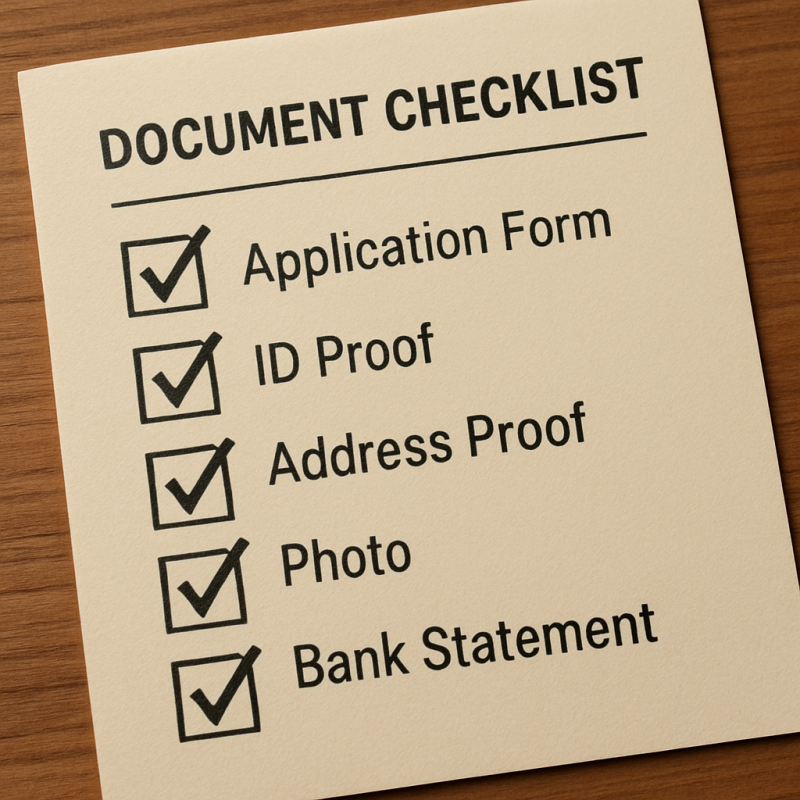
To successfully renew your card, you’ll need to gather several important documents. These documents serve as the backbone of your application and provide the necessary proof to USCIS of your eligibility and identity. Without them, your application could be delayed or denied.
- A copy of your current Permanent Resident Card. This proves your status and provides USCIS with details of your current residency.
- A government-issued ID (such as a driver’s license or passport) if your card is lost or stolen. This helps USCIS verify your identity.
- Any additional documents requested by the USCIS (U.S. Citizenship and Immigration Services) if applicable. These may include court records or other legal documents, depending on your situation.
Having these documents ready will streamline the application process and help avoid delays. It is crucial to keep copies of everything you send and to track your application status regularly.
Step 3: Complete Form I-90
The key component of renewing your Permanent Resident Card is completing Form I-90, the “Application to Replace Permanent Resident Card.” You can fill out this form online through the USCIS website or by downloading and completing a paper version. This form is essentially your formal request for renewal, and accuracy is critical to prevent processing errors.
Tips for Completing Form I-90
- Double-Check Your Information: Ensure that all information you provide is accurate and matches your official documents. Any discrepancies could lead to delays or requests for additional information.
- Use the Latest Version: Always use the most current version of Form I-90 to avoid any issues with outdated forms. USCIS updates forms periodically, so check their website for the latest version.
- Answer All Questions: Be thorough in your responses, and if a question does not apply, write “N/A” (not applicable). Leaving fields blank can result in processing delays or rejection of your application.
Completing this form correctly is crucial, as any errors could result in significant delays or even a denial of your renewal request.
Step 4: Pay the Filing Fee
Once you’ve completed Form I-90, you’ll need to pay the filing fee. As of the latest information, the fee for Form I-90 is $455, plus an $85 biometric services fee, totaling $540. This fee covers the costs associated with processing your application and the background checks required by USCIS.
Payment can be made online via credit card, debit card, or electronic bank transfer when filing electronically. If filing by mail, include a check or money order payable to “U.S. Department of Homeland Security.” Make sure the payment method is correct to avoid any delays in processing your application. Keep in mind that fees are subject to change, so it’s advisable to check the USCIS website for the most current fee information before submitting your application.
Step 5: Submit Your Application
After completing Form I-90 and arranging payment, it’s time to submit your application. If filing online, you’ll simply submit it through the USCIS website. This method is often quicker and allows you to track your application status in real-time. For paper submissions, mail your application to the appropriate USCIS address, which varies depending on your location. Be sure to use a reliable mailing service to track your package.
It’s important to ensure that your application is complete and accurate before submission to prevent delays. Double-check that all required documents are included and that your payment information is correct. After submission, keep a copy of your entire application packet for your records.
Step 6: Attend the Biometrics Appointment
Once your application is received, the USCIS will send you a notice for a biometrics appointment. This appointment is crucial for capturing your fingerprints, photograph, and signature, all of which are necessary for your new card. It’s important to attend this appointment at the specified date, time, and location to avoid processing delays. Missing this appointment can result in your application being delayed or denied, so plan accordingly to ensure you can attend.
During the biometrics appointment, you will be required to present a government-issued ID, such as a passport or driver’s license, to verify your identity. This step is vital as USCIS uses biometric data to conduct background checks and confirm your identity, adding an extra layer of security to the process.
Step 7: Track Your Application Status

by Safar Safarov (https://unsplash.com/@safarslife)
After attending your biometrics appointment, you can track the status of your application online using the receipt number provided by USCIS. This number allows you to check for updates and estimated processing times, giving you peace of mind as you await your new card. Tracking your application can help you stay informed about any potential issues or additional requirements that may arise.
It’s advisable to check your status periodically to ensure everything is proceeding smoothly. If there are any issues or delays, contacting USCIS with your receipt number can help you address them promptly. Keeping track of your application ensures that you are aware of your case status and can prepare for any additional steps if needed.
Step 8: Receive Your New Permanent Resident Card
Upon approval of your application, USCIS will mail your new Permanent Resident Card to your address on file. Inspect the card carefully for any errors and contact USCIS immediately if any corrections are needed. Mistakes on your card can lead to complications, so verifying all details is crucial. Keep this card safe, as it is your proof of permanent residency.
Your new card will typically arrive within a few weeks after your application is approved. Make sure to update your address with USCIS if you move during the application process to avoid any issues with delivery. Once received, store your new card in a secure location and continue to monitor its expiration date to ensure timely future renewals.
Common Questions About Permanent Resident Card Renewal
What Should I Do If My Card Is Already Expired?
If your card has already expired, you should still complete the renewal process as soon as possible. While waiting for your new card, you can request an I-551 stamp in your passport as temporary proof of your status. This stamp serves as a temporary extension of your permanent resident status and is recognized by employers and officials.
It’s important to act quickly to renew an expired card to avoid any potential legal issues or disruptions to your work or travel plans. The I-551 stamp provides a temporary solution, but it is not a substitute for renewing your card, so continue with the renewal process without delay.
How Long Does the Renewal Process Take?
The processing time for renewing a Permanent Resident Card can vary, but it typically takes several months. It’s advisable to apply for renewal at least six months before your card expires to avoid any issues. This timeframe helps accommodate any unforeseen delays in processing.
Factors such as the volume of applications at USCIS and any additional background checks required can affect processing times. Keeping track of your application and maintaining communication with USCIS can help mitigate these delays and ensure a smooth renewal process.
Can I Travel While My Renewal Is Pending?
You can travel while your renewal application is pending, but make sure to carry your expired card and the receipt notice from USCIS. Additionally, consider obtaining an I-551 stamp before traveling to avoid complications upon re-entry. This temporary proof of status can facilitate your travel and help prevent issues at U.S. ports of entry.
When traveling, it’s crucial to stay informed about any changes in immigration policy that could affect your return. While your application is pending, maintaining all documentation and being prepared for questions from immigration officials is essential to ensure a hassle-free travel experience.
Conclusion
Renewing your Permanent Resident Card is an important responsibility that ensures your uninterrupted status in the United States. By following these steps and understanding the requirements, you can navigate the renewal process smoothly and avoid any unnecessary delays. Always keep your information up-to-date and reach out to USCIS for any specific questions or concerns regarding your application.
With careful preparation, you’ll have your new card in hand and continue enjoying the benefits of permanent residency. Staying organized and proactive in managing your residency status is key to maintaining your rights and freedoms within the United States. By staying informed and prepared, you can ensure that your transition to a renewed card is seamless and stress-free.