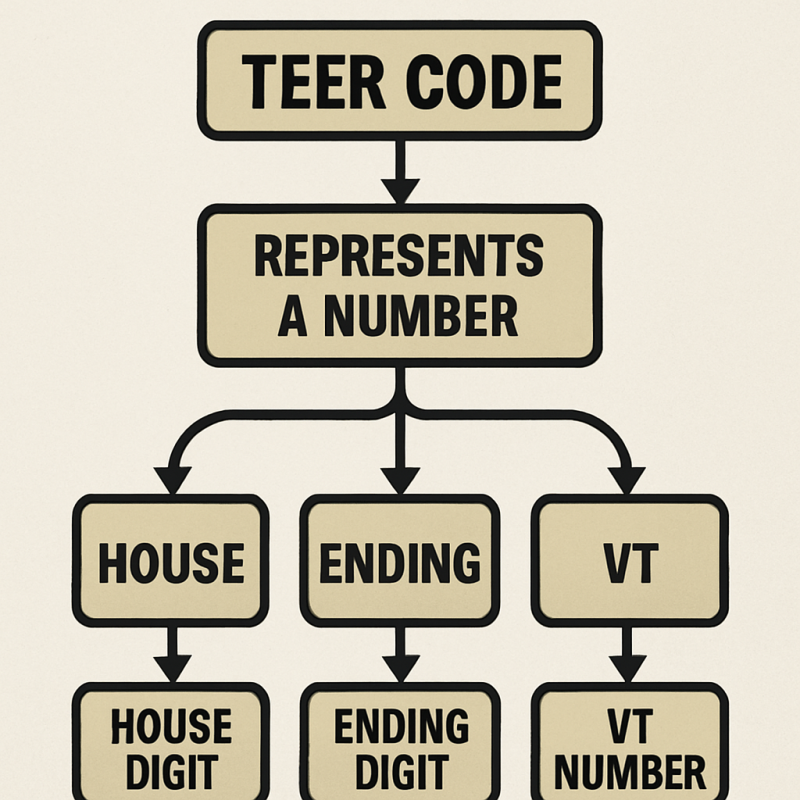
Navigating the Canadian job market can be complex. The Teer Code system simplifies this by categorizing jobs based on skill and responsibility.
“Teer” stands for Training, Education, Experience, and Responsibilities. It replaced the older NOC system, offering a clearer framework.
Understanding Teer Codes is crucial for job seekers and employers alike. It helps in aligning skills with job opportunities in Canada.
This guide will explore the Teer Code system, its categories, and its role in immigration.
Whether you’re a job seeker or an HR professional, this guide will provide valuable insights.
What is the Teer Code System?
The Teer Code system is a job classification framework used in Canada. It categorizes occupations based on distinct criteria.
Teer stands for Training, Education, Experience, and Responsibilities. These elements help define the skill level required for each job.
The system organizes jobs into five levels, from Teer 0 to Teer 5. This ensures a comprehensive classification across the employment spectrum.
Key features of the Teer Code system include:
- Clear job classification
- Alignment with the labor market
- Easier matching of skills and jobs

This system plays a critical role in Canada’s labor market. It assists both job seekers in finding suitable work and employers in recruiting the right talent.
History and Evolution: From NOC to Teer System
The Teer system replaced the National Occupational Classification (NOC) in Canada. This change was a significant step in modernizing job classifications.
The shift aimed to better reflect the evolving demands of the job market. It provides a more precise evaluation of occupations and skills.
Key differences between NOC and Teer include:
- A focus on Training, Education, Experience, and Responsibilities
- More specific job categories
- Improved alignment with labor market needs
The Teer system has become an invaluable tool for employers, immigrants, and job seekers. It ensures job classifications are both current and relevant.
Breakdown of Teer Categories (0 to 5)
The Teer system categorizes jobs into five distinct levels. Each level reflects different skill requirements and responsibilities.
Teer 0 includes senior management roles. These jobs involve high-level decision-making and leadership.
Teer 1 covers professional occupations that demand specialized education or experience. A university degree is often required.
Teer 2 focuses on technical and skilled trades. These positions typically need a college diploma or apprenticeship.
Teer 3 jobs comprise intermediate roles requiring some training. A high school diploma or job-specific training is usually necessary.
Teer 4 represents entry-level and support roles. These jobs may require some training or a high school diploma.
Teer 5 encompasses labor-intensive or low-skill roles with minimal entry barriers. No formal education is typically needed.
Understanding these categories helps align one’s career path with the right opportunities.

Teer 0 Jobs: Managerial Occupations
Teer 0 jobs include senior managerial roles. These positions require high levels of decision-making.
They involve strategic planning and leadership duties. Managers in this category often drive organizational success.
Teer 1 Jobs: Professional Occupations
Teer 1 jobs demand specialized skills or education. These roles often require a university degree.
Professionals in this category have advanced expertise. They’re crucial for innovative solutions in various fields.
Teer 2 Jobs: Technical and Skilled Trades
Teer 2 positions encompass skilled trades. A college diploma or technical training is common.
These roles require specific skill sets. Workers execute precise tasks, making them essential to industry operations.
Teer 3 Jobs: Intermediate Jobs
Intermediate jobs are categorized under Teer 3. These roles need moderate training or education.
Jobs may require a high school diploma or job-specific experience. Workers perform essential functions in organizations.
Teer 4 Jobs: Entry-Level and Support Roles
Teer 4 includes entry-level positions. Jobs require little prior experience or training.
These roles are often supportive in nature. They are gateways to higher positions within organizations.
Teer 5 Jobs: Labor and Low-Skill Occupations
Labor roles fall under Teer 5. These jobs have minimal education requirements.
Tasks are often physically demanding. They play a crucial role in operational support across industries.
How to Find Your Teer Code
Identifying your Teer Code starts with understanding your job’s requirements. Consider the necessary education and experience level.
Next, match your job duties to the appropriate Teer category. This involves evaluating your role’s complexity and responsibilities.
Here’s a simple process to find your Teer Code:
- Review your job description.
- Assess required qualifications.
- Compare with the Teer Code categories.
Understanding your Teer Code helps in navigating job opportunities and eligibility for immigration programs.

Teer Code and Immigration: Eligibility for PR and Express Entry
The Teer Code plays a crucial role in Canada’s immigration system. It helps determine eligibility for various programs such as Permanent Residency (PR) and Express Entry.
Teer 0 and 1 jobs are highly favored for Express Entry. These positions typically require higher education or significant experience.
Here’s a basic guide to PR eligibility:
- Teer 0 and 1 Jobs: High chances of PR
- Teer 2 Jobs: Moderate chances
- Teer 3 Jobs: Limited eligibility
Conversely, Teer 4 and 5 jobs face more challenges in PR pathways. These roles are entry-level and support occupations. Often, additional criteria must be met for eligibility.
Express Entry utilizes Comprehensive Ranking System (CRS) scores. High scores often require a job offer in eligible Teer categories.
Understanding your Teer Code aids in aligning career goals with Canada’s immigration pathways. This knowledge serves as a vital tool for both job seekers and immigration consultants.
Teer 4 and 5 Jobs: PR Pathways and Limitations
Teer 4 and 5 jobs present unique challenges for permanent residency in Canada. These roles are less likely to lead directly to Express Entry. Typically, they encompass entry-level positions and labor-intensive roles requiring minimal formal education.
Despite these challenges, some pathways exist but demand meeting additional criteria. Provinces might have specific programs for these roles, but they are often limited and highly competitive.
Consider these factors if you’re in Teer 4 or 5:
- Seek provincial programs
- Pursue additional skills or qualifications
- Stay informed about policy changes
Navigating the PR process with these jobs requires strategy and perseverance. It’s crucial for candidates to explore all available avenues and tailor their applications accordingly.
Teer Code in the Canadian Job Market
The Teer Code system significantly shapes Canada’s job market, providing clarity and consistency in job classifications. It helps job seekers align their skills with market demands, streamlining the job search process.
For employers, Teer Codes provide a framework for developing accurate job descriptions and recruitment strategies. This system ensures that the best candidates are matched with appropriate roles, optimizing workforce potential.
Key benefits for the Canadian job market include:
- Clear job classification
- Alignment of skills and roles
- Support for economic growth
Understanding the Teer Code is essential for navigating Canada’s dynamic job landscape. It plays a pivotal role in workforce development and economic planning.
Teer Code for Employers and HR Professionals
Employers and HR professionals leverage the Teer Code to streamline recruitment and talent management processes. It serves as a standardized tool for assessing and categorizing job roles.
For HR professionals, understanding Teer Codes ensures compliance with Canadian labor laws and aids in effective workforce planning. It supports efforts to attract skilled talent and address skill gaps.
Benefits for employers and HR include:
- Standardized job classifications
- Enhanced recruitment strategies
- Compliance with labor regulations
Utilizing the Teer Code facilitates strategic hiring decisions, ensuring alignment with organizational goals and market needs.
Frequently Asked Questions about Teer Codes
What does “Teer” stand for?
Teer stands for Training, Education, Experience, and Responsibilities. It’s a framework for classifying jobs.
How does Teer differ from NOC?
The Teer system replaces the NOC. It better aligns with skill levels and current market demands.
Who uses the Teer Code?
Employers, HR professionals, immigration consultants, and job seekers use it to navigate the job market.
Is Teer 4 eligible for PR?
Typically, Teer 4 is not eligible for Express Entry. It often requires additional criteria for PR.
Which jobs fall under Teer 3?
Teer 3 jobs include roles like administrative assistants and sales representatives, requiring specific training.
How often is the Teer system updated?
The system is updated periodically to reflect changes in the labor market. It aligns with evolving job needs.
Conclusion: Why Understanding Teer Code Matters
Understanding the Teer Code is vital for anyone seeking to work in Canada. It provides clarity on job classifications, helping both job seekers and employers navigate the market efficiently.
This system shapes decisions about immigration eligibility and job roles. Knowing your Teer Code can enhance career prospects and ensure compliance with Canadian regulations.