Navigating the Lonely Canadian Program can be a daunting task. This program is a lifeline for many families. It allows Canadian citizens and permanent residents to sponsor their lonely family members.
Understanding the program’s intricacies is crucial. It involves several steps and requirements. Each step is vital for a successful application.
The Lonely Canadian Program is part of Canada’s family reunification efforts. It aims to bring families together. This is especially important for those with no other relatives in Canada.
Eligibility is a key factor. Both sponsors and applicants must meet specific criteria. Income requirements are also a significant consideration.
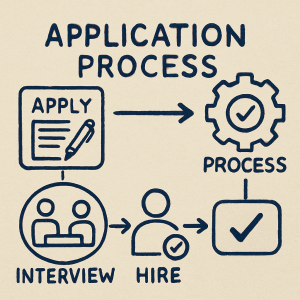
The application process can be complex. It involves filling out detailed forms. Gathering necessary documentation is essential for a smooth process.
Processing times can vary. Applicants should plan accordingly. Being prepared for potential delays is wise.
The program is expected to evolve by 2025. Staying informed about updates is important. Changes could impact application outcomes.
Applicants should be ready for interviews. Additional information requests may arise. Understanding common pitfalls can help avoid rejections.
Consulting with immigration experts can be beneficial. They provide valuable guidance. This can enhance the chances of success.
The program emphasizes family ties. It supports Canada’s multicultural values. Applicants should consider long-term implications of moving.
Community resources are available for new arrivals. These can aid in cultural adaptation. Support networks are crucial for integration.
The Lonely Canadian Program is a pathway to permanent residency. It strengthens family bonds. Successful navigation requires careful preparation and attention to detail.
Step 1: Understanding the Lonely Canadian Program
Understanding the Lonely Canadian Program is the first step. It’s designed to help lonely family members. Canadian citizens or permanent residents can sponsor them.
The program is particularly crucial for family reunification. It provides a pathway to reunite with family when no other relatives reside in Canada. This initiative is vital for isolated members seeking connection.
Comprehending the eligibility criteria is essential. Both applicants and sponsors have specific requirements. This ensures readiness when applying.
Sponsors must prove their financial ability. They need to support the sponsored family member. This is a critical program element.
Successful application involves several steps. Gathering correct documentation is paramount. Ensuring accuracy in all forms prevents delays.
Applicants might face interviews. These are part of the verification process. Be prepared for additional requests for information.
The application process can be lengthy. Understanding potential timelines helps in planning. Patience is key during this period.
Regular updates on the program are expected. Changes are likely as 2025 approaches. Staying informed can give applicants an edge.
The program emphasizes family support networks. This aligns with Canada’s commitment to family unity and multiculturalism. Consider how it affects family dynamics long-term.
Applicants must demonstrate clear intent to settle. This shows commitment to integrating into Canadian society. The program aims to enhance social cohesion.
Understanding the cultural and legal aspects is beneficial. It prepares applicants for life in Canada. This knowledge aids successful integration.
Consulting with experts can clarify complex aspects. They can provide insights and guidance. This expert advice often improves application outcomes.
What is the Lonely Canadian Program?
The Lonely Canadian Program is a targeted initiative. It allows Canadians to sponsor lonely family members. The focus is on those without other relatives in Canada.
This program offers a structured path for family reunification. Its aim is to support those feeling isolated. The ultimate goal is to strengthen familial bonds.
Not all family members qualify for this program. Specific relationships are considered eligible. Understanding these categories is crucial for applicants.
Key aspects of the program include:
- Eligibility criteria for sponsors and applicants
- Financial responsibilities of sponsors
- Relationship verification requirements
The program helps integrate family members into Canadian society. It’s part of a broader strategy for social cohesion. Emphasizing multicultural values is central to this initiative.
Applicants should ensure they meet all conditions. This includes financial, legal, and relationship criteria. Each is vital for the application’s success.
Program guidelines may evolve. Staying updated on any changes is critical. This ensures compliance with new regulations and expectations.
The program distinguishes itself from other immigration initiatives. It’s uniquely designed for family reunification. This focus sets it apart in Canada’s immigration landscape.
Key Benefits of Participation
Joining the Lonely Canadian Program comes with many benefits. It offers a unique opportunity for family reunification. This is crucial for those without any relatives in Canada.
The program provides potential pathways to permanent residency. It can lead to citizenship over time, enhancing life stability for participants.
Another key benefit is the emotional support it can bring. Reuniting with family members can bolster mental well-being. This is essential for both sponsors and new arrivals.
The program strengthens social networks in Canada. It aligns with national multiculturalism policies, promoting diversity and inclusivity.
Participants also gain access to Canada’s social and health systems. This includes quality education and healthcare, offering significant advantages.
Benefits of the Program Include:
- Family reunification opportunities
- Pathways to permanent residency
- Support for social and cultural integration
Engaging in the program fosters stronger community ties. This aids in building a support network in Canada. These networks can ease the transition for new arrivals.
Participants also benefit from expanded opportunities. Access to Canadian labor markets and social services is enhanced. This can improve prospects for education and employment.
The program supports family unity. It underscores the importance of maintaining family connections. This can lead to a better quality of life for all involved.
Preparation and understanding of the program maximize its benefits. Staying informed and prepared ensures applicants can fully utilize available opportunities.
Participants should commit to adapting to Canadian society. Embracing cultural differences is part of this journey. This adaptability helps ensure long-term success and fulfillment.
Step 2: Eligibility Requirements
Eligibility for the Lonely Canadian Program requires meeting specific criteria. Applicants must verify their relationship with a Canadian sponsor. This is the foundation of the application.
Both sponsors and applicants have obligations. Ensuring these are met is crucial. The process demands thorough preparation.
Sponsors must be Canadian citizens or permanent residents. They need to be living in Canada. This is a fundamental requirement.
Applicants should not have other relatives in Canada. This aspect is vital to program eligibility. It’s designed for those without existing family ties in the country.
Different family relationships are recognized by the program. These include siblings and dependent children. Each category has distinct criteria.
Understanding these categories is pivotal. Sponsors should provide documents proving family ties. Accurate documentation prevents application delays.
Regular updates on eligibility criteria might occur. Staying informed ensures compliance. It helps avoid potential pitfalls in the application process.

Lonely Canadian Program Requirements
The Lonely Canadian Program outlines specific requirements. Meeting these ensures a smoother application experience. Both applicant and sponsor responsibilities are detailed.
Applicants need a direct family relationship with the sponsor. This ensures the familial bond is recognized under the program. Acceptable relationships can vary.
Key eligibility criteria include:
- Canadian residency status for sponsors
- Verified family relationship for applicants
- Lack of other familial support in Canada
Sponsors should be of legal age. They must demonstrate the ability to provide necessary support. This is crucial for application approval.
The program’s intention is clear: reconnect family members. Understanding requirements aids preparation. Proper guidance can facilitate the process.
Applicants must gather all necessary documents. This includes proof of relationship and personal identification. Missing documents can lead to processing delays.
Checking program updates is important. Regulations might change. Awareness of these helps align with current expectations.
Consulting with an immigration expert can be advantageous. They provide clarity on complex requirements. This professional insight often improves application quality.
Income Requirements for Application
Income requirements are crucial in the application process. Sponsors must prove financial stability. This ensures they can support their family member.
Financial ability is evaluated carefully. It reassures immigration authorities of sustained support. This is a key factor in sponsorship approval.
Income assessments are based on the Low Income Cut-Off (LICO). Sponsors must meet or exceed these thresholds. LICO varies based on family size and location.
To Qualify, Sponsors Must:
- Meet LICO for their family unit
- Provide recent financial statements
- Demonstrate ongoing income stability
Proof of income includes tax documents. Pay stubs and bank statements are also essential. These documents provide clear evidence of financial health.
Sponsors should prepare detailed financial records. These support the application. Accuracy in financial reporting is vital.
Understanding financial obligations is key. Sponsors commit to a set period of support. This means ensuring long-term financial readiness.
Planning finances helps prevent sponsorship pitfalls. Sponsors must be ready for any changes. This protects the financial aspect of the process.
Discussing financial concerns with an advisor is wise. They offer strategies for meeting requirements. This aids in fulfilling program expectations efficiently.
Step 3: The Application Process
Understanding the application process is key to success. Each step must be handled with care. This ensures a smoother journey through the Lonely Canadian Program.
Applicants need to be thorough with preparations. This includes gathering all essential documents. Documentation acts as a backbone to the application.
The application itself is a multi-step procedure. It involves several detailed forms. Completing these accurately is critical.
Details matter significantly in the application. The information must be consistent across all documentation. Inconsistencies can lead to delays or rejections.
At this stage, consulting with an immigration expert is often wise. Experts provide insights into complex areas. Their advice can streamline the overall procedure.
Being aware of deadlines is crucial. Applications submitted late may face rejection. Timely submission demonstrates commitment and preparedness.
Documents must be organized and legible. Clear copies prevent misunderstandings during the review. This minimizes potential hiccups.
The process might require additional documentation. Be ready to supply extra information if asked. This could include anything from updated financial records to personal history clarifications.
Applicants should practice patience. The process takes time, but rushing can lead to errors. Carefully managing each step can mitigate unnecessary stress.
How to Apply Lonely Canadian Program
Begin by familiarizing yourself with all requirements. Thoroughly understanding them helps avoid mistakes. Adequate preparation prevents unnecessary delays.
Next, collect essential documents. This includes proof of relationship and financial stability. Ensure all documents are up to date and certified.
Follow these steps to get started:
- Obtain the necessary application forms online.
- Complete personal information sections accurately.
- Attach required documents to validate claims.
Be meticulous when filling out forms. Double-check for accuracy and completeness. Small errors can lead to processing issues.
Submission of documents comes with fees. Ensure you are ready to cover these costs. Check that payments are documented for future reference.
Consider drafting a cover letter. This should succinctly outline your case. Clear communication can enhance your application.
Stay updated on your application’s progress. This enables you to respond promptly to additional requests. Quick responses help maintain momentum.
Lonely Canadian Program Application Form
The application form is central to your process. It’s a detailed document requiring precision. Each section demands specific information.
Begin by carefully reading instructions. Understanding each part is crucial before filling anything out. Misinterpretations can complicate your application.
Information required on the form includes personal details. You’ll need to include your sponsor’s information as well. This section verifies eligibility.
Make sure to provide:
- Accurate personal data
- Sponsor’s contact and residency status
- Proof of family relationship
Documentation should be attached as directed. This includes all supporting evidence. Failure to include required attachments can halt progress.
Double-check your application for completeness. Missing information can lead to rejection. Ensure that all sections are filled out adequately.
After completing the form, review it meticulously. Have a second pair of eyes go over it. Peer review can catch overlooked errors and provide valuable feedback.
Finally, keep copies of everything. Secure backups ensure you can easily supply additional copies if needed. This precaution is a lifesaver if documents get misplaced during processing.
Step 4: Timelines and Expectations
Understanding timelines is essential for planning. The Lonely Canadian Program has varied processing times. These are influenced by several factors.
Applicants should prepare for a potentially lengthy process. Knowing this helps manage expectations. Patience is important during this period.
Each application’s timeline can differ. Factors like completeness of documentation impact this. Early preparation can help streamline the journey.
Regularly checking for updates is beneficial. This ensures you are informed about any changes. Staying updated can avoid surprises that cause stress.
Expect some delays due to peak application periods. These can occur due to increased submissions. Planning ahead can ease this burden.
Communication with immigration officers is crucial. Being responsive can prevent unnecessary delays. Quick replies to requests keep your application moving.
Having a clear idea of what to expect helps. Anticipating possible hurdles prepares you mentally. This readiness can make a significant difference.
Applicants should be aware of common timeline factors:
- Application backlog at processing centers
- Accuracy and completeness of submitted information
- Seasonal fluctuations and policy changes
Prepare yourself for the possibility of additional requests. These may require extra documents or interviews. Responding promptly to these requests is vital.
An organized approach can mitigate many issues. By having a plan, you save both time and effort. This ensures a more efficient application experience.
Lonely Canadian Program Processing Time
Processing times can vary widely. Understanding typical durations helps with planning. Stay proactive to minimize unnecessary delays.
On average, the Lonely Canadian Program process takes months. Sometimes, this can be much longer during peak periods. Preparing ahead of time can help reduce stress.
Delays might occur due to increased application volumes. Seasonal peaks can extend wait times significantly. Submitting early can help avoid these bottlenecks.
Authorities provide estimated processing times regularly. Check the official immigration website for updates. These updates can provide valuable timeline insights.
Applicants should be aware that factors like completeness and accuracy play a big role. Ensuring your application is thorough can save precious time.
List of timeline-affecting elements:
- Total number of applications received
- Accuracy in application submissions
- Changes in immigration policies
Expect variations in processing times based on location. Different offices may have different speeds. It’s important to check specifics related to your situation.
What to Expect During Processing
The processing phase can feel overwhelming. Knowing what occurs can ease anxiety. Preparing yourself mentally is equally important.
During processing, your application undergoes several checks. This includes verifying documents and eligibility. It’s a thorough evaluation process.
Authorities might ask for more information. Such requests could be for clarification purposes. Be ready to provide details promptly.
Interviews may be part of your process. Be prepared to discuss your application. Honest communication is key to these interactions.
Expect potential requests for updated documents. Any new life changes should be reported. This keeps your application accurate and current.
Consider these expectations as part of the processing phase:
- Possible additional documentation requests
- Interviews to verify application details
- Updates from immigration authorities
Continuous monitoring of your application’s status is wise. This ensures you’re aware of any progress or issues. Keeping track reduces risks of missing important updates.
Understanding these aspects can reduce the element of surprise. Being informed and ready helps maintain peace of mind. These strategies contribute to a more predictable experience.
Step 5: Preparing for Arrival
Arrival in Canada marks the beginning of a new chapter. It’s crucial to be well-prepared for this transition. A smooth adjustment requires thorough planning.
Understanding what awaits upon arrival can ease the journey. Having the right resources ensures a positive start. Being proactive in preparations is wise.
Consider accommodation options early. Whether temporary or permanent, housing is a priority. Researching areas and costs can guide your decisions.
Familiarize yourself with Canadian norms and practices. This aids in smoother cultural integration. Knowledge of local customs can enhance your experience.
Healthcare is an essential aspect to arrange. Begin by registering with local health services. This ensures access to medical care when needed.
Educational opportunities are significant for families. Consider enrolling children in local schools. Explore adult education programs available to new residents.
Finances are another crucial area. Setting up a Canadian bank account is beneficial. It simplifies managing expenses and receiving funds.
Transportation needs planning too. Learn about public transport options in your city. Alternatively, consider obtaining a local driver’s license.
Take time to explore community resources. Libraries, recreational centers, and public services offer a wealth of support. They help create a sense of belonging.
Finally, stay connected with loved ones back home. Maintaining bonds can provide emotional support. Technology makes staying in touch easier than ever.
Resources for New Arrivals
Canada offers abundant resources for newcomers. Leveraging these can aid a seamless transition. Awareness is key to utilizing these supports effectively.
Government services provide crucial information. They offer guidance on settling and adapting. Access these through local immigration offices or online.
Employment centers are invaluable. They help newcomers find job opportunities. Workshops and counseling can aid in career development.
Language services are vital for non-native speakers. English and French classes are widely available. These enhance communication skills and job prospects.
Navigating local services can be simplified. Settlement agencies offer comprehensive support. They provide advice on housing, education, and legal matters.
Consider these key resources for a successful start:
- Local government settlement services
- Employment support and job placement centers
- Language learning programs
Educational resources include libraries and online courses. These offer a wealth of knowledge and learning tools. Continuous learning supports personal growth and integration.
Being well-informed about available resources is crucial. This knowledge empowers you to make informed decisions. It ensures a smoother transition into Canadian life.
Community Support Networks
Building a support network is essential. Community connections provide emotional and practical support. They foster a sense of belonging in a new environment.
Engage with local cultural groups. These organizations connect you with others from your background. Shared experiences can ease homesickness.
Volunteer opportunities are excellent for integration. They offer a way to meet new people. Volunteering also contributes to your community positively.
Join social or hobby groups. Activities you enjoy can lead to meaningful friendships. These groups offer relaxation and enjoyment.
Find support through religious communities if applicable. Places of worship often welcome newcomers warmly. They provide spiritual and community support.
Explore community support options:
- Cultural and ethnicity-based organizations
- Volunteer groups and social clubs
- Religious and spiritual networks
Newcomer support groups are prevalent. They offer advice and share personal experiences. This helps navigate challenges common to new arrivals.
Building a community takes time and effort. Be open to new experiences and people. This openness enriches your life and aids integration.
Actively participating in community life is rewarding. It fosters connections and enhances your Canadian experience. Community bonds make settling in a new country much more rewarding.
Conclusion
Successfully navigating the Lonely Canadian Program involves careful planning and preparation. With the right guidance, you can connect with family in Canada. Understanding each step can significantly ease this process.
Being aware of eligibility and requirements is paramount. Accurate documentation and meeting income criteria are crucial. Staying informed about processing timelines helps manage expectations.
Preparing for life in Canada is essential. Accessing community resources and building support networks smooths your integration. These efforts foster a fulfilling and rewarding experience in a new home.
Remember, the journey may be challenging, but it is deeply rewarding. With determination and the right tools, you can achieve your goal. This opportunity strengthens family bonds and enriches lives in Canada.