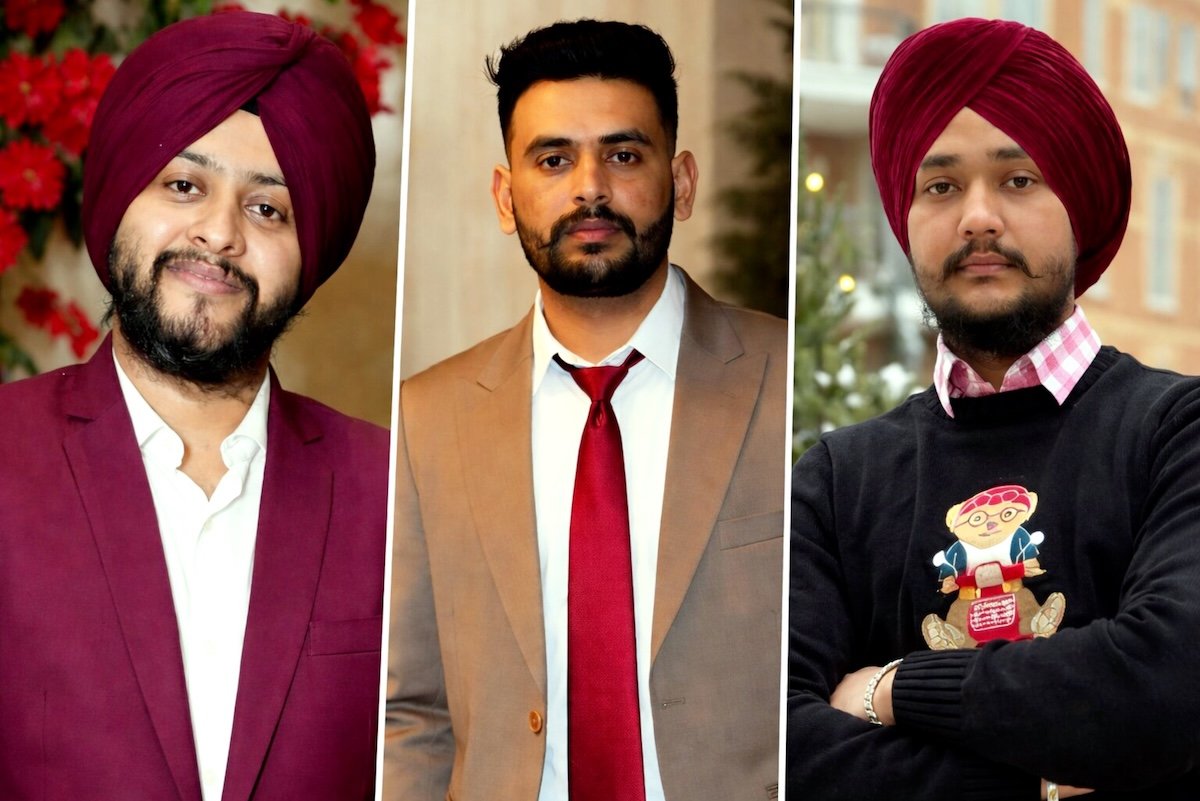
Updated July 2026. In mid-March 2026, three separate deaths involving newcomers were reported within about 24 hours across British Columbia, Saskatchewan, and Alberta. All three cases have since seen significant investigative updates, including charges laid in each. Here is what has been officially confirmed by police, updated to reflect the current status of each case.
British Columbia: Charlie Lake
On the night of March 13, 2026, Fort St. John RCMP responded to a report of an altercation at the Charlie Lake boat ramp in which one person sustained serious injuries and later died. The RCMP’s North District Major Crimes Unit later identified the victim as Gurkirat Manocha, 25, a resident of Ujjain, India, who had moved to Fort St. John to study business management at Northern Lights College. Police have said the investigation involves multiple individuals and have not released further details publicly.
Saskatchewan: North Battleford
On the morning of March 13, 2026, Battlefords RCMP responded to a report of an injured man in a parking lot near a North Battleford motel; he was declared dead at the scene. The victim was identified as Davinder Singh, a local taxi driver who had been dispatched to a call at the motel. Saskatchewan RCMP’s Homicide Investigation Unit subsequently charged two 19-year-old men: one with first-degree murder, forcible confinement, assault with a weapon, and pointing a firearm; the other with manslaughter and forcible confinement. A second person present during the incident survived with non-life-threatening injuries.
Alberta: Highway 2 Near Leduc
On the afternoon of March 14, 2026, a 22-year-old man, Barinder Singh, was fatally shot while driving on Highway 2 near Leduc County. Investigators later arrested and charged two men — one with second-degree murder, and a second with second-degree murder and accessory after the fact. RCMP has since stated the shooting was not racially motivated, and investigators described it as “partially random,” while ruling out robbery, road rage, and gang initiation as motives, though noting a possible connection to gang activity among the suspects.
What’s Changed Since the Initial Reports
When these cases first came to public attention, police in all three provinces had not yet confirmed motives, and early coverage — including earlier versions of this article — appropriately avoided speculation. Since then, all three cases have moved to the charge stage, and in the Alberta case, RCMP has explicitly ruled out a hate motive. This is a useful reminder that early reporting on active investigations is often incomplete, and official updates from the investigating police service are the only reliable source as a case develops.
Resources If You Need Support
- Emergency: call 9-1-1
- Non-emergency reporting: contact your local police service or RCMP detachment; where available, use the RCMP’s online crime reporting portal
- Victim support: the Government of Canada’s Victim Service Directory can connect you to local services
- If you witness or experience a hate-motivated incident: document what you safely can (time, location, details) and report it to police — see the RCMP’s guidance on hate-motivated crime
Reporting a crime or seeking victim support does not affect your immigration status.
Sources: RCMP news releases for British Columbia, Saskatchewan, and Alberta; CBC News.