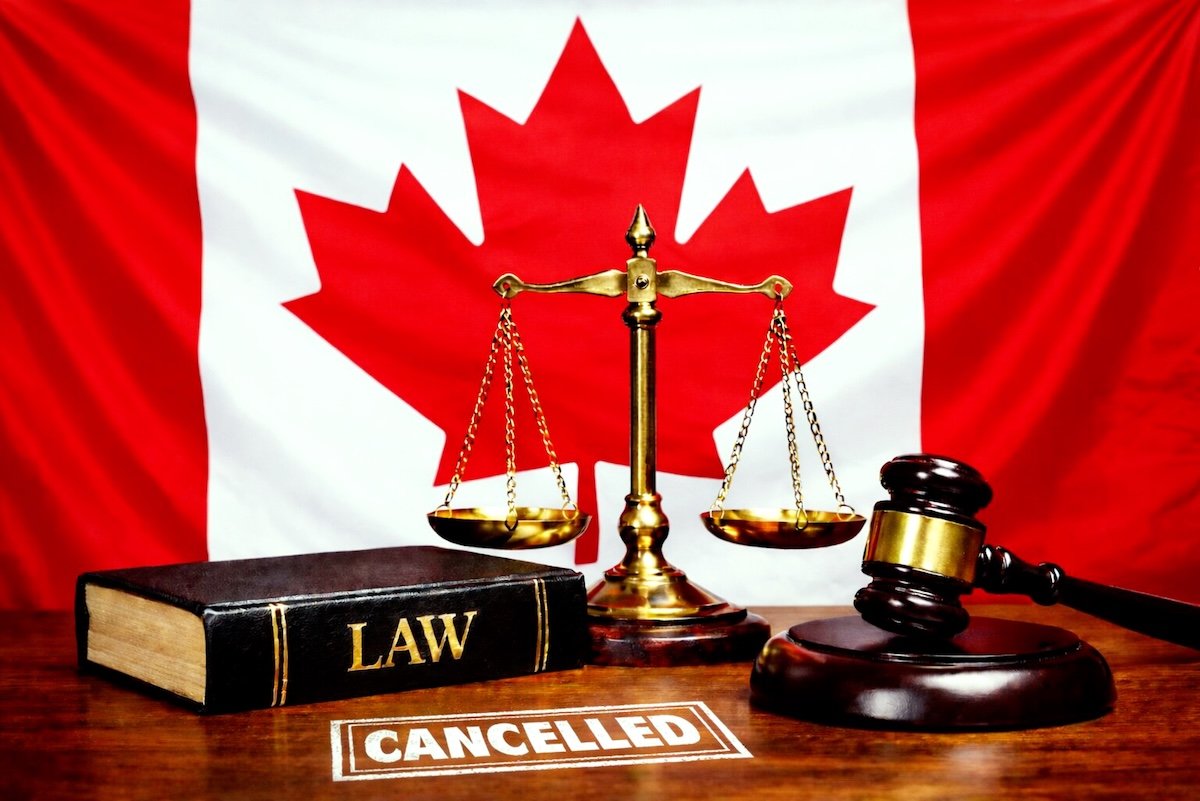
On March 26, 2026, Bill C-12, formally known as the Strengthening Canada’s Immigration System and Borders Act, received Royal Assent. This legislation introduces significant changes to the asylum process in Canada, impacting many individuals seeking refuge in the country.
Following the enactment of Bill C-12, reports from immigration lawyers and affected claimants indicate that the Immigration, Refugees, and Citizenship Canada (IRCC) has begun issuing procedural fairness letters related to new asylum ineligibility rules. These letters inform claimants of their potential ineligibility for referral to the Immigration and Refugee Board of Canada (IRB), which is responsible for adjudicating refugee claims. Remarkably, procedural fairness letters were sent out only two to three days after the bill became law, suggesting the IRCC had prepared for a rapid implementation of these changes.
Understanding how these changes affect asylum claimants is crucial. This article will outline the specifics of Bill C-12, who is affected, and the legal pathways available to those who may find themselves ineligible for asylum under the new rules.
What Bill C-12 Actually Changed For Asylum Seekers
Bill C-12 introduces two primary eligibility barriers for asylum seekers in Canada:
-
- One-Year Rule: Asylum claims filed more than one year after an individual’s first entry into Canada after June 24, 2020, will not be referred to the IRB.
-
- 14-Day Rule: Claims made by individuals who entered Canada between ports of entry along the Canada-U.S. land border and who file their claims after 14 days will also not be referred to the IRB.
These rules apply to all asylum claims made on or after June 3, 2025. Importantly, the one-year rule applies retroactively to anyone whose first entry into Canada occurred after June 24, 2020, regardless of subsequent departures and returns.
Who Is Receiving These Procedural Fairness Letters Right Now
The procedural fairness letters are primarily targeting individuals whose asylum claims are affected by the new one-year rule. This group includes:
-
- International students and temporary residents who entered Canada after June 24, 2020, and filed their claims more than one year later.
-
- Temporary foreign workers and visitors who may fall under the new timing rules.
-
- Visitors who overstayed their authorized period and subsequently filed for refugee protection.
What The Procedural Fairness Letter Actually Says
A Procedural Fairness Letter (PFL) is not a rejection letter but rather a formal notice indicating that IRCC has identified concerns with the asylum application. It provides the applicant with a chance to respond before a decision is made. The letter typically outlines the applicable provision, such as the one-year rule, and specifies the dates of entry into Canada and the asylum claim filing.
Applicants usually have between 7 and 30 days to respond, and failure to do so may result in a formal refusal of their claim.
Real Legal Options For Affected Applicants
If you have received a procedural fairness letter under Bill C-12, it’s essential to understand your legal options:
1. Respond To The Procedural Fairness Letter Within The Deadline
Responding to the PFL within the specified deadline is crucial. Your response should address the concerns raised in the letter, particularly regarding the timelines of your entry and claim filing.
2. Apply For A Pre-Removal Risk Assessment (PRRA)
If affected by the new ineligibility rules, you may still apply for a PRRA, which assesses the risks of returning to your home country, including persecution and torture.
3. File A Humanitarian And Compassionate (H&C) Application
You may apply for permanent residence on humanitarian and compassionate grounds, requesting exemption from standard immigration requirements due to hardship.
4. File For Judicial Review At The Federal Court Of Canada
If your claim is formally refused after responding to the PFL, you can seek a judicial review of the decision at the Federal Court of Canada.
5. Explore Transitioning To A Valid Temporary Status
Consider applying for another temporary immigration status, such as a work permit or study permit, before your current status expires.
6. Request A Deferral Of Removal
If removal proceedings are initiated, you may request a deferral, especially if there are pending legal applications that could affect your case.
Frequently Asked Questions
Can I still file a new asylum claim after Bill C-12 if I entered Canada less than one year ago?
Yes, if you arrived within the past 12 months and have a genuine fear of persecution, you can file an asylum claim that will be referred to the IRB.
If my asylum claim is found ineligible, will I be deported immediately?
No, you will first be offered a PRRA to assess any risks of returning to your home country.
Are there any exceptions to the one-year rule for people with valid reasons for late filing?
Currently, there are no exceptions, but future regulations may allow exemptions for specific classes of claimants.
What is the difference between a PRRA and a full IRB refugee hearing?
An IRB hearing is an oral process with a higher historical acceptance rate, while a PRRA is a paper-based review with a significantly lower acceptance rate.
Can Bill C-12 be challenged in court as unconstitutional?
Yes, challenges are being prepared to contest the retroactive application of the one-year rule, which may violate rights under the Canadian Charter.
Reality Check
The changes outlined in Bill C-12 present significant challenges for many asylum seekers in Canada. The rapid implementation of these new rules raises concerns about fairness and access to justice for those affected. Individuals should proceed with caution, ensuring they understand the implications of the law and verify details through official sources such as the official IRCC page. Those affected should consider seeking legal advice to navigate the complexities of their specific situations.