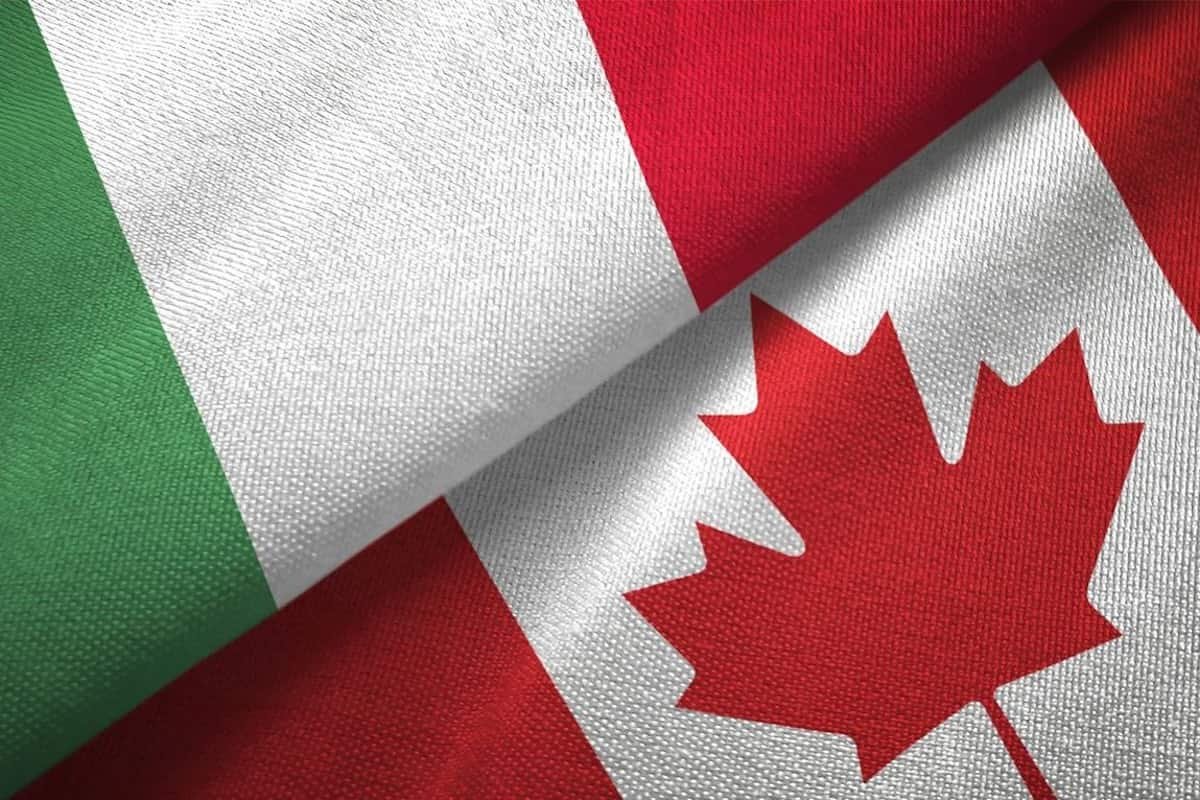
In 2025, significant changes in citizenship laws impacted the rights of many individuals. While Italy tightened its citizenship by descent rules, Canada took a markedly different approach by enhancing access to citizenship for those with Canadian ancestry.
As of March 2025, Italy restricted citizenship by descent to only two generations. This policy shift means that individuals can no longer claim Italian citizenship based on ancestry extending from a post-1861 Italian citizen.
In contrast, Canada enacted Bill C-3 in December 2025, which removed the first-generation limit (FGL) for citizenship by descent, thus retroactively restoring citizenship for millions of Canadians who had lost their rights.
Under this new legislation, anyone born before December 15, 2025, is eligible for Canadian citizenship if they can prove descent from a Canadian ancestor, even if they are several generations removed, such as a great-great-great-grandparent. This change particularly benefits many Americans, especially those in New England.
Obtaining Canadian citizenship grants individuals the ability to enter Canada freely, reside and work there indefinitely, vote in elections, and sponsor family members for permanent residence in Canada.
Steps to Acquire a Canadian Passport
With the introduction of Bill C-3, newly recognized Canadian citizens by descent can apply for Canadian passports. This move is especially appealing for many Americans amidst escalating tensions within the United States.
Individuals can utilize an online resource to verify their eligibility for Canadian citizenship by descent under the new laws.
If you believe you qualify for Canadian citizenship due to the passage of Bill C-3, it is essential to apply to Immigration, Refugees and Citizenship Canada (IRCC) for a proof of citizenship certificate.
You will need to provide documentation that verifies your parent’s citizenship (such as birth certificates) alongside additional records that confirm your lineage, which will facilitate the application process.
Typically, applicants for citizenship by descent will need to submit paper applications.
As of now, the processing time for citizenship certificates is approximately 10 months.
Once you receive your certificate, you can proceed to apply for a Canadian passport.
It’s important to note that Americans can maintain dual citizenship with Canada.
Before applying for proof of Canadian citizenship, individuals from countries other than the U.S. should check whether their home country allows dual citizenship, as some nations require individuals to renounce their original nationality when obtaining another.
Understanding the Impact of Bill C-3
The Canadian Parliament passed Bill C-3, titled An Act to Amend the Citizenship Act, on December 15, 2025.
This legislation eliminated the previous first-generation limit (FGL) for citizenship by descent, which had barred Canadian citizens by descent from passing their citizenship to children born outside Canada, often called lost Canadians.
Effective December 15, 2025, the new citizenship bill revised earlier restrictions by:
-
- Permitting individuals born abroad to a Canadian parent before this date to inherit citizenship by descent beyond the first generation, provided they can establish an ancestral connection to a Canadian citizen; and
-
- Allowing those born on or after the specified date to inherit citizenship by descent if their Canadian parent, also born abroad, resided in Canada for at least 1,095 days before their birth or adoption.
Individuals who applied under prior interim measures for lost Canadians will not need to submit a separate proof of citizenship application; their previous applications will be evaluated under the new guidelines.
This legislative change was prompted by a ruling from the Ontario Superior Court of Justice in 2023, which deemed the earlier FGL unconstitutional—a decision the federal government opted not to contest.