New Canada TR To PR Details From Immigration Minister Explained
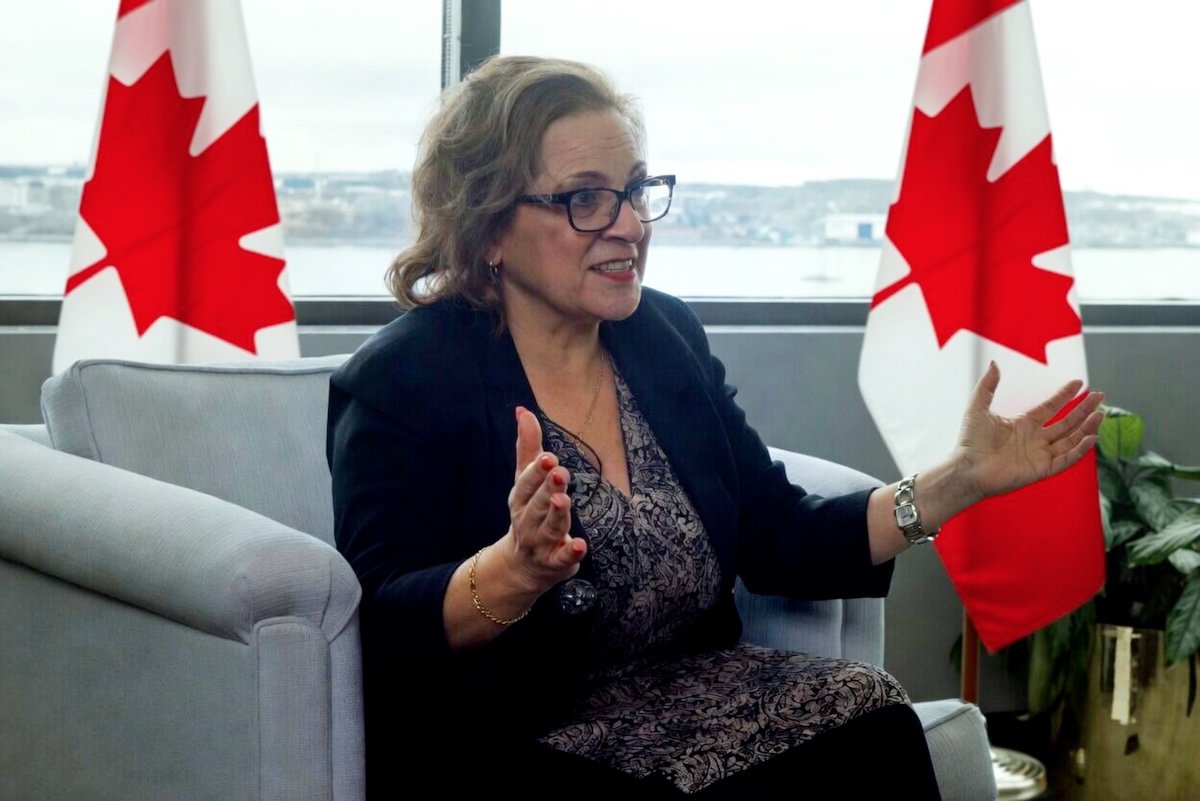
On April 18, 2026, Immigration Minister Lena Metlege Diab provided insights into the anticipated Temporary Resident to Permanent Resident (TR to PR) pathway during an exclusive video interview. This program is significant for the approximately 2 million temporary residents currently residing in Canada, as it aims to facilitate their transition to permanent residency.
The discussion encompassed various immigration topics, including Express Entry categories, Francophone immigration targets, and asylum reforms under Bill C-12. However, the primary focus was on the TR to PR pathway, which has been in development for several months.
What the Minister Actually Said About TR to PR
Minister Diab reiterated that the government intends to expedite the permanent residency process for individuals already living in Canada. She emphasized that these individuals possess housing, established community ties, hold jobs, and contribute taxes to the Canadian economy. The program is set to offer a total of 33,000 permanent residency spaces over the years 2026 and 2027. Importantly, the program will not target applicants in major urban centers like Montreal, Toronto, and Vancouver, relying instead on classifications established by Statistics Canada.
Is the TR to PR Pathway Sector-Specific?
One of the critical inquiries during the interview was whether the TR to PR pathway would be limited to specific sectors or if general Canadian work experience would suffice. Minister Diab’s response was somewhat ambiguous. She mentioned that specific criteria will be released soon but indicated that the focus would generally be on Canadian work experience. This suggests that the program may not impose narrow sector restrictions, which could allow a broader range of applicants to qualify.
Known TR to PR Pathway Details from the April 18 Interview
During the interview, Minister Diab provided several key details regarding the TR to PR pathway:
-
- Total Spots: 33,000 over a 2-year period (2026 and 2027)
-
- Geographic Focus: Not in major city centers such as Montreal, Toronto, or Vancouver
-
- Location Criteria: Based on Census Metropolitan Area (CMA) classifications set by Statistics Canada
-
- Work Experience: Applicants should have been working in Canada for close to two years
-
- Sector Requirement: Not sector-specific; general Canadian work experience appears to be the key factor
-
- Community Ties: Applicants must have built connections in their communities
-
- Housing: Applicants must already have housing
-
- Economic Contribution: Applicants must be paying taxes and contributing to the economy
-
- Full Criteria Release: Expected “very very very soon”
Expert Policy Analysis: Reading Between the Lines
Several takeaways from the minister’s comments warrant further investigation from a policy perspective:
The first takeaway is the emphasis on rural communities.
The government has consistently highlighted the importance of workers outside major urban centers. This focus indicates that individuals in smaller cities may face challenges qualifying for the TR to PR pathway.
The second takeaway is the apparent lack of sector restrictions.
Minister Diab’s remarks suggest that the program may be more inclusive than previously anticipated, potentially allowing workers from various occupations to apply.
The third takeaway is the two-year work experience threshold.
The minister indicated that applicants should have nearly two years of work experience in Canada, which could significantly narrow the eligible pool by excluding recent arrivals.
The fourth takeaway is the role of provincial nominee programs.
The minister noted that many provinces are already moving temporary residents to permanent residency through their own programs, indicating that the TR to PR pathway is designed to complement rather than replace these efforts.
The Uncomfortable Truth for Temporary Residents
Despite Minister Diab’s willingness to discuss the TR to PR pathway, many temporary residents may find themselves with little actionable information. Much of what was confirmed had already been discussed in previous government statements. The lack of clarity on critical aspects such as eligibility criteria, application methods, and processing timelines leaves many questions unanswered.
What Temporary Residents Should Do Right Now
In light of the uncertainty surrounding the program, temporary residents who believe they may qualify should take proactive steps:
-
- Book or renew your language test promptly, as availability may become limited.
-
- Gather employment records, including T4 slips and employer reference letters, to verify your work history.
-
- If your work permit is expiring, submit an extension application to maintain your legal status.
-
- Explore other immigration routes, such as Express Entry and provincial nominee programs, as they may offer more reliable pathways to permanent residency.
Other Relevant Points from the Interview
Minister Diab also noted that asylum claims in Canada have decreased significantly, and she cautioned temporary residents against using the asylum system inappropriately. Additionally, she confirmed ongoing support for Ukrainian nationals and provided updates on other immigration matters, including Express Entry draws and Francophone immigration goals.
Frequently Asked Questions
When will the full TR to PR eligibility criteria be released?
The complete criteria are expected to be announced “very very very soon,” as indicated by Minister Diab.
Can temporary residents living in cities like Hamilton or Kitchener-Waterloo apply for the TR to PR pathway?
Workers in cities classified as Census Metropolitan Areas may not qualify, even if they are not in major cities like Montreal, Toronto, or Vancouver.
Will international students on Post-Graduation Work Permits be eligible for the TR to PR pathway?
This group was not specifically addressed during the interview, and eligibility remains unclear.
Is the TR to PR pathway going to be first-come-first-served like the 2021 program?
The intake format has not yet been confirmed, leaving uncertainty for potential applicants.
Should temporary residents stop pursuing Express Entry or PNP and wait for the TR to PR program instead?
No, the existing programs continue to operate and may offer more reliable routes to permanent residency.
Reality Check
Temporary residents should approach the TR to PR pathway with caution. The lack of detailed information and clear guidelines poses risks for applicants. Those whose permits are expiring should not rely solely on this pathway without checking official sources for updates. It is essential to stay informed and consider alternative immigration options while awaiting further announcements regarding the program.