Last reviewed by Canadianow editorial team: May 18, 2026. Always confirm immigration, tax, healthcare, driving, and employment rules with official sources before acting.
Canada is one of the top destinations in the world for international students. A Canadian study permit is more than just permission to study — it also allows you to work during your studies and opens significant pathways to permanent residence after graduation. This guide covers the current rules, working rights, and how your study permit connects to your long-term goals.
What Is a Study Permit?
A study permit is a document issued by IRCC that authorizes a foreign national to study at a designated learning institution (DLI) in Canada. Most post-secondary programs at a Canadian college or university require a study permit if the program is longer than 6 months.
A study permit does not replace your visa or electronic travel authorization (eTA). You may need a separate visitor visa or eTA to enter Canada depending on your citizenship.
Eligibility for a Study Permit
To be approved for a study permit, you must generally show:
- Acceptance at a designated learning institution (DLI)
- Proof of sufficient funds to pay tuition and support yourself
- Ties to your home country (to show you intend to leave after graduating — though this requirement has been updated for students with strong PR pathways)
- No criminal record or health concerns that would make you inadmissible
- Intent to comply with study permit conditions
Working on a Study Permit
International students at eligible post-secondary institutions can work:
- On-campus: Unlimited hours with no separate work permit needed
- Off-campus: Up to 24 hours per week during regular academic sessions if you meet the eligibility rules, and full-time during scheduled breaks such as winter or summer breaks.
You must be a full-time student at an eligible DLI to maintain these work rights. If you drop to part-time, your off-campus work authorization may be affected.
Post-Graduation Work Permit (PGWP)
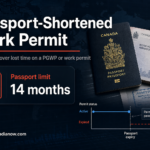
After completing a program at an eligible Canadian post-secondary institution, you can apply for a PGWP. This is an open work permit that allows you to work for any employer in Canada. The length of the PGWP is generally equal to the length of your program, up to a maximum of 3 years.
Key PGWP eligibility rules as of 2026:
- Program must be at least 8 months long at an eligible DLI
- Field-of-study rules may apply depending on your credential and when you applied for your study permit. Bachelor’s, master’s, and doctoral degree graduates generally do not need to meet the field-of-study requirement, while many non-degree programs must be in an eligible field.
- Language requirements now apply (CLB 7 for university graduates, CLB 5 for college graduates)
- Must apply within 180 days of receiving official confirmation of program completion
From Study Permit to Permanent Residence
Studying and then working in Canada is one of the most reliable pathways to PR because you accumulate Canadian education and Canadian work experience — both of which are heavily weighted in Express Entry and PNP programs.
The typical pathway:
- Study at an eligible Canadian institution (2–4 years)
- Graduate and obtain a PGWP
- Work in a skilled occupation (NOC TEER 0, 1, 2, or 3) for 1 year
- Apply through the Canadian Experience Class (Express Entry)
Many students also apply for PNP nomination through province-specific international graduate streams, which can add 600 CRS points and accelerate their PR timeline significantly.
Frequently Asked Questions
Can I study part-time on a study permit?
In some limited circumstances, such as a medical condition, you may study part-time without violating your study permit conditions. Generally, however, full-time enrollment is required to maintain your study permit status and work rights.
What happens if my study permit expires before I finish my program?
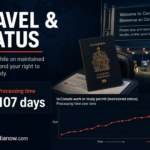
You must apply to extend your study permit before it expires. You can continue studying while your extension is being processed under maintained status, but you must have applied before expiry.
Do my family members get work permits if I have a study permit?
Spouses or common-law partners of only some international students may be eligible for an open work permit. Eligibility rules changed in 2025 and depend on the student’s program and level of study. Minor children of international students may be eligible to study in Canada, but families should confirm the current IRCC rules before applying.
Study permit, PGWP, spouse work permit, PAL/TAL, and student work rules have changed significantly in recent years and can change again. Always verify current requirements at canada.ca. See our Immigration Disclaimer.