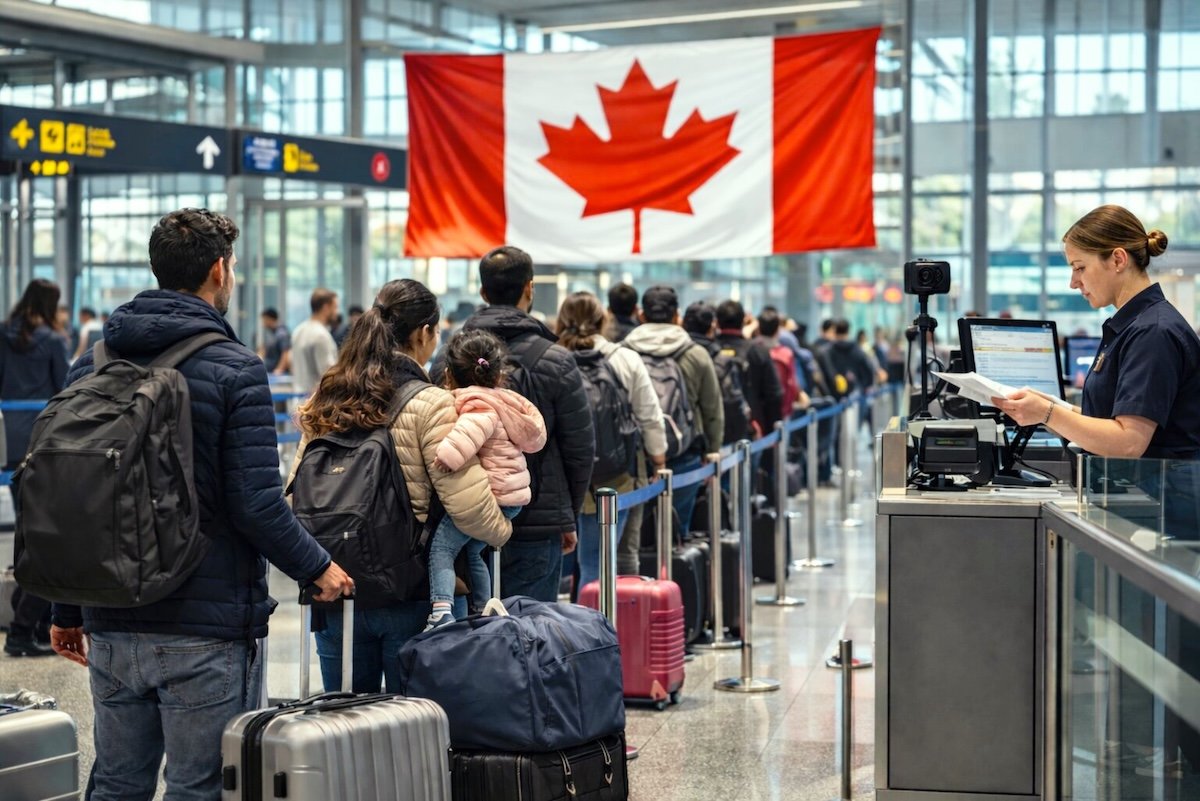
On March 26, 2026, Canada’s federal government enacted significant changes to its asylum system with the introduction of Bill C-12, officially known as the Strengthening Canada’s Immigration System and Borders Act. This legislation has rapidly altered the landscape for thousands of refugee claimants throughout the country. The new rules are designed to impose stricter eligibility criteria for asylum seekers, leaving many individuals at risk of removal from Canada.
An estimated 30,000 asylum seekers now face the possibility of losing access to the Immigration and Refugee Board (IRB), which handles refugee claims. This situation has created widespread concern and confusion among those affected, many of whom have been waiting for their cases to be processed.
What Bill C-12 Actually Changed
Bill C-12 introduced two major restrictions that change who can access Canada’s refugee determination system:
-
- One-Year Rule: Asylum claims filed more than one year after a person’s first entry into Canada will not be eligible for a full hearing at the IRB. This rule applies retroactively to those whose first entry occurred after June 24, 2020.
-
- 14-Day Rule: Individuals who entered Canada irregularly at locations other than official ports of entry and waited more than 14 days to file an asylum claim will also be barred from an IRB hearing.
Both restrictions apply to claims made on or after June 3, 2025, the date the earlier legislation was introduced in the House of Commons.
IRCC Now Sending 30,000 Warning Letters
The Immigration, Refugees and Citizenship Canada (IRCC) has begun issuing procedural fairness letters to many asylum seekers. These letters inform recipients that their claims may no longer be eligible for asylum under the new rules. The IRCC has emphasized that these letters are not deportation notices but rather provide claimants an opportunity to present additional information before a final decision on their eligibility is made.
However, these letters have been criticized for causing panic among the recipients. Legal experts express concern over the language used in the letters, which may lead claimants to misunderstand their rights and the implications of the new rules.
What The Warning Letters Actually Tell Claimants
The letters differ based on which provision of Bill C-12 applies to each individual. Key points include:
-
- For those affected by the 14-day rule, the letters instruct them to leave Canada immediately and confirm their departure with the Canada Border Services Agency.
-
- Claimants affected by the one-year rule are informed that their claims have been flagged as ineligible for referral to the IRB and are given 21 days to submit more information regarding their case.
While both types of letters mention the option to apply for a Pre-Removal Risk Assessment (PRRA), immigration lawyers have noted that this mention may not sufficiently clarify the available pathways for claimants.
Who Is Affected By Each Rule
The following categories outline who is affected by the new rules:
-
- One-Year Rule: Applies to anyone who entered Canada after June 24, 2020, and filed a claim more than one year later.
-
- 14-Day Rule: Targets individuals who crossed the Canada-U.S. land border irregularly and did not file their claims within 14 days.
Both groups are directed to the PRRA process instead of receiving an IRB hearing.
Immigration Lawyers Sound The Alarm
Legal experts have voiced alarm over the implications of Bill C-12. Many immigration lawyers report an influx of anxious calls from clients who have received the procedural fairness letters. They express concerns particularly for nationals from countries such as Iran, Yemen, Afghanistan, Sudan, and Gaza, where Canada maintains moratoriums on removal. Lawyers fear that these individuals could be instructed to leave Canada despite the risks associated with returning to their home countries.
Why The PRRA Alternative Concerns Lawyers
Claimants deemed ineligible for an IRB hearing will be directed to apply for a PRRA. This process, however, is primarily paper-based and lacks the opportunities for personal representation that an IRB hearing provides. The approval rates differ significantly between the two processes:
-
- IRB Hearings: Approximately 60% approval rate.
-
- PRRA: Approval rates range from 3% to 5%.
Legal professionals have highlighted the importance of personal testimony in IRB hearings, which is not present in the PRRA process.
Countries Where Canada Currently Cannot Remove People
Canada has moratoriums on removals to about 22 countries due to unsafe conditions, including Afghanistan, Iran, and Yemen. Nationals from these countries receiving the warning letters face serious risks if they leave Canada voluntarily, potentially leading to dangerous situations if they are returned to their home countries.
What Affected Claimants Should Do Right Now
Individuals who have received a procedural fairness letter should consider the following steps:
-
- Do not leave Canada immediately based on the letter alone, as it is not a deportation order.
-
- Seek legal assistance promptly to understand your options.
-
- Respond within the given deadline, using the full time to prepare your case with legal counsel.
-
- Gather documentation supporting your claim, including evidence of risks in your home country.
-
- Understand the PRRA process and its implications.
What Comes Next For Canada’s Asylum System
The swift implementation of Bill C-12 has led to expectations of legal challenges. Legal professionals anticipate an increase in judicial reviews as claimants contest their ineligibility. The legislation may also face constitutional scrutiny regarding the rights of asylum seekers to an oral hearing.
Human rights organizations have condemned the changes, arguing they undermine the protections available to refugees and migrants in Canada. Meanwhile, the IRCC plans to modernize the asylum process in the coming months as it addresses the significant backlog of pending claims.
Frequently Asked Questions
Can claimants who received a warning letter still apply for permanent residence through Humanitarian and Compassionate grounds?
Yes, even if an asylum claim is deemed ineligible under Bill C-12, individuals can still apply for permanent residence on Humanitarian and Compassionate grounds.
What happens to work permits held by asylum claimants whose claims are now found ineligible?
Work permits linked to asylum claims may be revoked if the claims are found ineligible.
Does Bill C-12 affect asylum claims that were already referred to the IRB before the law took effect?
The IRB will continue to process claims already submitted under the previous framework. Claims made after June 3, 2025, will be subject to the new rules.
Are unaccompanied minors exempt from the new one-year and 14-day eligibility deadlines?
Currently, there is no formal exemption for unaccompanied minors from these rules, although this may be reconsidered in the future.
Reality Check
Individuals affected by Bill C-12 should be aware of the risks involved in navigating the new asylum landscape. The drastic changes may lead to confusion and misunderstanding of rights. It is essential to verify information through official resources, such as the Government of Canada’s official immigration page, to ensure that actions taken are informed and appropriate.
Those considering leaving Canada based on procedural fairness letters should carefully assess their circumstances and seek legal guidance to avoid jeopardizing their immigration status.