As summer approaches, Canadians planning to travel should be aware of the rising airfare costs that could impact their travel budgets. Recent data indicates that domestic flight prices in Canada have risen significantly compared to last year, and this trend is expected to continue into the peak summer travel season. With millions of Canadians making travel plans for vacations, family visits, and student journeys, understanding these changes is crucial.
This article will delve into the reasons behind the airfare increases, the specific impacts on domestic flights, and provide tips for travellers on how to navigate this challenging situation.
Why Are Canada Airfare Prices Rising Now?
Airfare prices in Canada are increasing primarily due to heightened demand for summer travel coinciding with rising operating costs for airlines, particularly due to surging jet fuel prices. KAYAK has introduced a Canadian airfare trends dashboard, revealing that domestic travel prices are now above those of 2025 and have begun to rise again after a brief decline in late March.
This situation means that Canadians searching for flights within the country may not experience the price relief they had anticipated as summer approaches. The pressure on prices is not solely due to seasonal demand, but is significantly influenced by jet fuel costs, which have compelled Canadian airlines to adjust their fares accordingly.
Domestic Flights Are Seeing the Biggest Pressure
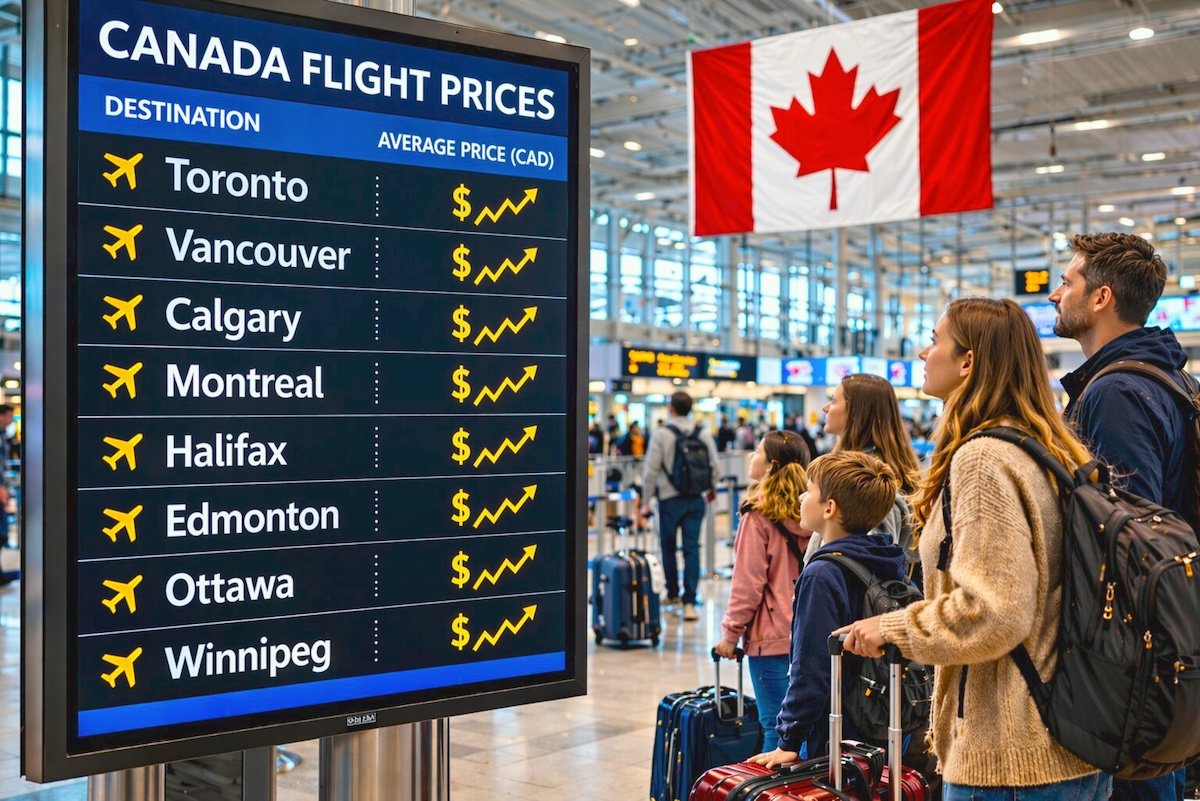
Domestic air travel is showing the most substantial price increases. Data indicates that the average domestic airfare rose from $227 on January 5, 2026, to $385 by April 6, 2026. While not all routes are experiencing price hikes, the overall trend suggests a challenging environment for travellers, especially those flying between major Canadian cities like Toronto, Vancouver, Calgary, and Montreal.
For families, the cost difference between booking early versus delaying could amount to hundreds of dollars once additional costs such as baggage fees and taxes are factored in.
Fuel Surcharges Are Now Hitting Some Flights
Fuel costs remain one of the most significant drivers of airline expenses, and this is being reflected in ticket prices. Major Canadian carriers have implemented fuel surcharges ranging from $25 to $60 per ticket on certain flights. It is important for travellers to compare the total cost when booking flights, as these surcharges can make a seemingly affordable fare much more expensive once all fees are included.
Air Canada Baggage Fees Also Increased
The increase in airfare is not limited to ticket prices alone. Air Canada has revised its checked baggage policy for Economy Basic, Standard, and Flex fares purchased from April 13, 2026. Passengers in the Economy Basic and Standard categories will now pay $45 for the first checked bag and $60 for a second bag, while Economy Flex passengers can check one bag for free, with the second bag costing $60.
For families, this change could significantly inflate the overall travel expenses, making it essential to compare total costs before finalizing bookings.
Air Canada Is Also Suspending Some New York Flights
An additional change affecting Canadian travellers is Air Canada’s announcement to temporarily suspend flights from Toronto and Montreal to New York’s JFK airport, starting June 1 and lasting until October 25, 2026, due to high jet fuel prices. Although Air Canada will maintain service to New York through other airports, this reduction in available flights may limit options and potentially increase costs for some travellers.
Canada Is Not Facing the Same Fuel Shortage as Some Regions
Despite the rising prices, Canada benefits from a more stable fuel supply compared to several other regions globally, as most jet fuel used in the country is produced domestically. However, Canadian prices are still affected by the global fuel market, meaning that even with a secure supply, prices can remain high.
Not Every Destination Is Getting More Expensive
It is essential to note that not all airfare is rising uniformly. Some international routes are following 2025 trends, and certain popular destinations such as Montego Bay, Paris, and Tokyo are reporting lower or comparable fare levels. Consequently, travellers should not assume that every flight is more expensive, as opportunities for better value do exist, particularly in international markets.
What Travellers Should Check Before Booking
As Canadians prepare for summer travel, several important factors should be reviewed before booking flights:
-
- Compare final prices after all fees, not just the initial fare.
-
- Check if the ticket includes baggage, seat selection, and change or cancellation policies.
-
- Consider nearby airports, which may offer better options or lower costs.
-
- Avoid assuming that waiting will yield lower prices, as current trends indicate rising costs.
-
- Be aware of any route adjustments that could affect travel plans.
Flying Versus Driving May Become a Bigger Question
The rising costs of domestic airfare could lead more Canadians to consider driving for regional trips. KAYAK has updated its trip calculator with data on airfare and gas prices to help travellers compare the costs of flying versus driving. This is especially relevant for families travelling between nearby provinces.
How Much More Will Canadians Pay?
The total increase in travel costs will depend on various factors, including the chosen route, airline, booking date, and baggage needs. For instance, a traveller booking an Economy Basic or Standard fare with Air Canada may incur an additional charge of $45 for the first checked bag and up to $60 for the second bag, in addition to any applicable taxes.
Fuel surcharges also contribute to the overall cost, with some flights carrying additional charges of $25 to $60 per ticket. These added expenses can quickly escalate the total travel cost for families and groups.
Why Summer Travel Could Feel More Expensive
Summer is one of the busiest travel seasons, and increased demand typically reduces the likelihood of discounted fares on popular routes. This situation can lead to higher overall travel costs, as additional fees and surcharges are layered onto base fares, resulting in a heavier financial burden for many travellers.
Best Ways to Avoid Overpaying
Travellers can take several steps to mitigate costs:
-
- Book flights early, particularly for high-demand routes.
-
- Be flexible with travel dates, as midweek flights are often cheaper.
-
- Compare one-stop flights against direct options, ensuring savings justify the longer travel time.
-
- Packing lighter can help avoid baggage fees.
-
- Set fare alerts and compare routes before finalizing decisions, especially for domestic flights.
Who Will Feel the Biggest Impact?
The groups most likely to be affected by the rising airfare costs include families, students, newcomers, and seniors traveling to visit relatives. Those flying from smaller airports may face fewer choices and increased prices due to reduced competition. Fixed travel plans for events like weddings or graduations may leave little flexibility to secure better deals, amplifying the pain of these price increases.
What to Watch Next
The upcoming weeks are critical for Canadian travellers. If fuel costs remain elevated, airlines may adjust schedules, implement further fee increases, or reduce flights on less profitable routes. Travellers should stay informed about airline updates, especially if planning travel several months in advance.
Those with existing bookings are advised to monitor communications from airlines, as schedule changes can affect travel plans significantly.
Reality Check
The current increase in Canada airfare prices comes at a challenging time for travellers, with domestic fares exceeding last year’s costs, and additional surcharges complicating travel budgets. While not every route is more expensive, travellers should be vigilant in comparing prices and understanding the full costs associated with their travel plans.
For many Canadians, summer travel in 2026 is already becoming more expensive, making careful planning and awareness of these trends essential.
Frequently Asked Questions (FAQs)
Why are Canada airfare prices rising before summer travel?
Canadian airfare prices are rising due to increased summer travel demand combined with higher operating costs for airlines, including jet fuel prices and revised baggage fees.
Are all flights in Canada getting more expensive?
No, while domestic fares are under significant pressure, not all flights are experiencing price increases. Some international routes may remain cheaper or comparable to last year’s prices.
Should Canadians book summer flights now or wait?
Travellers should consider booking summer flights sooner rather than later, especially for popular routes, as waiting may lead to higher prices due to rising demand and costs.
How can travellers avoid paying more than expected?
It’s important to compare final prices, including all fees and surcharges, and to review baggage policies before booking to avoid unexpected costs.
Will baggage fee increases affect every airline ticket?
No, baggage fees vary by airline, route, and fare class, so travellers should check the specific baggage rules for their tickets prior to booking.