Canada offers a wealth of opportunities for those seeking a new life. Becoming a permanent resident is a significant step in this journey.
Permanent residency allows individuals to live, work, and study anywhere in Canada. It provides access to most social benefits, including healthcare.
The process involves several steps, from eligibility assessment to document submission and approval. Understanding the requirements is crucial for a successful application.
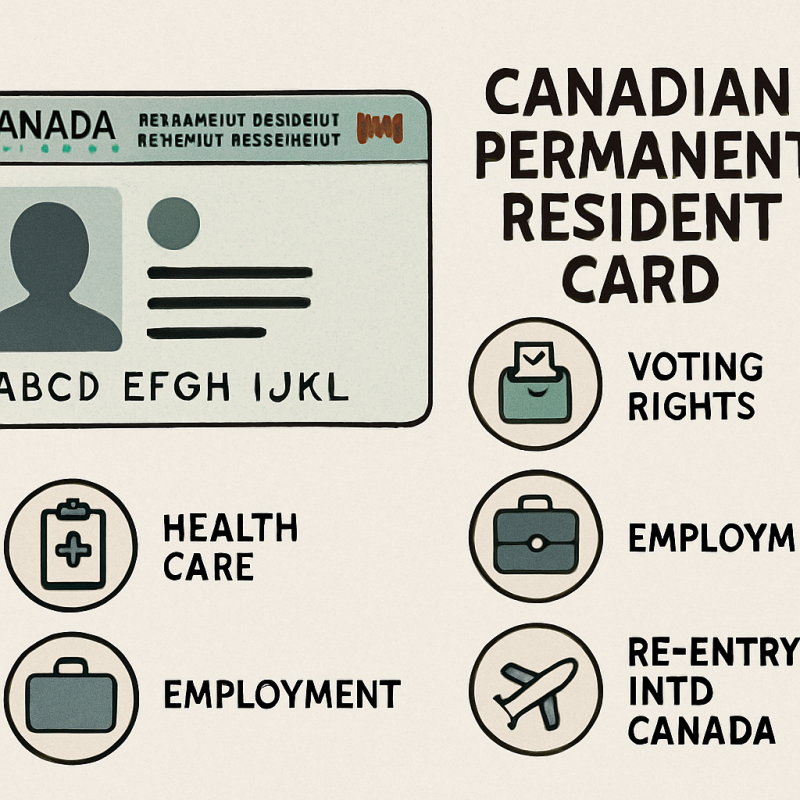
A permanent resident card is essential for re-entry into Canada and accessing services. Maintaining residency obligations is key to keeping your status.
This guide will explore the pathways, application process, and benefits of becoming a permanent resident in Canada.
What is Permanent Residency in Canada?
Permanent residency grants non-citizens the right to live indefinitely in Canada. It provides many benefits akin to citizenship.
Permanent residents can work or study anywhere across the country. They have most of the rights of Canadian citizens but cannot vote or hold specific government positions.
Here are some key features of being a permanent resident:
- Right to live and move anywhere in Canada
- Access to social benefits like healthcare
- Protection under Canadian law
Obtaining permanent residency requires meeting specific criteria, such as language proficiency. This status is crucial for those planning long-term life in Canada.

Benefits and Rights of a Permanent Resident (PR)
Permanent residents enjoy significant benefits in Canada. They have access to universal healthcare and can work in any province or territory.
Educational opportunities open widely for permanent residents. They can attend educational institutions and access public schooling for their children.
Key rights include:
- Working anywhere in Canada
- Participating in Canadian culture
- Living with legal protection and freedoms
Although permanent residents live like citizens, they can’t vote. They also can’t hold high-security government jobs. Despite these limitations, they have a solid foundation for a secure and prosperous life in Canada.
Main Pathways to Permanent Residency
Securing permanent residency (PR) in Canada involves choosing the right pathway. The most well-known path is the Express Entry system. It targets skilled workers eager to contribute to Canada’s economy.
The Express Entry system uses a Comprehensive Ranking System (CRS) score. It assesses candidates on language skills, education, and work experience. A high CRS score increases the chances of receiving an invitation to apply for PR.
Family sponsorship is another major pathway. It allows permanent residents and citizens to sponsor relatives, including spouses, children, or parents, to join them in Canada.
Several immigration programs cater to specific needs and qualifications:
- Provincial Nominee Program (PNP)
- Quebec-Selected Skilled Workers
- Atlantic Immigration Program
Choosing the right program requires careful planning and research.

PR Application Process: Step-by-Step Guide
Applying for permanent residency in Canada is a detailed process. Understanding each step can streamline your PR application. Begin by determining your eligibility. This involves meeting specific criteria based on the selected immigration program.
Next, gather necessary documents. This includes language test results, proof of education, and employment records. Accurate documentation is crucial to avoid delays or application rejections.
Submit your application via the appropriate method. Some programs allow online applications, while others require paper submissions. Be precise and comprehensive in providing information.
Track your application status through the Permanent Resident Portal. This tool helps you monitor updates and additional requests from immigration authorities.
Upon approval, receive your confirmation of permanent residence. This is a vital document to travel to Canada as a new permanent resident.
To summarize, the general steps include:
- Check eligibility
- Collect documents
- Submit application
- Monitor status
- Obtain PR confirmation

Key PR Requirements and Eligibility
Permanent residency in Canada comes with specific eligibility requirements. These criteria are crucial for a successful PR application. Understanding these can help applicants prepare comprehensively.
Language proficiency is a key requirement. Most pathways require proof of English or French language skills. Exams such as IELTS or CELPIP often serve this purpose.
Besides language, other factors influence eligibility. Educational credentials, work experience, and the applicant’s age are considered. Some pathways, like Express Entry, use a points-based system to evaluate applicants.
Key requirements include:
- Language proficiency (English/French)
- Educational credentials assessment
- Relevant work experience
- Age and adaptability factors
Meeting these requirements enhances the chance of becoming a successful permanent resident.
Permanent Resident PR Card: Importance and Renewal
The Permanent Resident PR card is essential for PR holders in Canada. It serves as proof of their status. This card is required for re-entry into the country after traveling abroad.
PR cards are typically valid for five years. Renewing your PR card is crucial before it expires. Maintaining your residency obligations is necessary to be eligible for renewal.
Residency obligations require staying in Canada for at least 730 days over five years. Failing to meet these requirements could lead to losing your permanent status.
Renewal steps include:
- Verifying residency days
- Completing the application
- Submitting required documents and fees

Renewing your PR card ensures continued access to benefits and rights in Canada.
Permanent Resident Canada PR Photo Size and Documentation
Applying for a permanent residency in Canada requires specific documentation. One critical aspect is the PR photo size. Photos must meet precise specifications to be accepted.
Ensure your photo:
- Measures 50mm x 70mm
- Has a neutral facial expression
- Displays a plain white background

Attention to detail in photo specifications is crucial. Non-compliant photos can delay your PR application process. Always review the guidelines carefully and get professional help if needed.
Using the Permanent Resident Portal and PR Confirmation
The permanent resident portal is vital in managing your PR application. It’s the main tool for submission and tracking your application status. Being familiar with its use is essential.
Through the portal, you can:
- Submit necessary forms and documents
- Check real-time status updates
- Receive important communication from IRCC
PR confirmation marks successful application approval. This vital step confirms your new status, allowing you to start your life as a permanent resident in Canada.
Maintaining Your PR Status and Next Steps
Maintaining your permanent residency status in Canada requires meeting specific residency obligations. You must live in Canada for at least 730 days within a five-year period. Failure to meet this can lead to the loss of your status.
It’s important to keep your personal information updated with Immigration, Refugees and Citizenship Canada (IRCC). Inform them of any changes such as address updates or family status alterations. This ensures seamless communication and helps avoid issues with your residency status.
Once eligible, permanent residents can apply for Canadian citizenship. This includes meeting certain residency, language, and knowledge requirements. The journey from PR to citizenship opens new doors, including voting rights and a Canadian passport.