Minimum wage in Canada changes on a different date in almost every province, and the increases are not announced all at once. If you are budgeting, hiring, or negotiating a rate, knowing when your jurisdiction adjusts matters as much as knowing the current number.
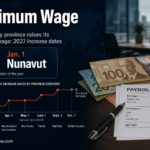
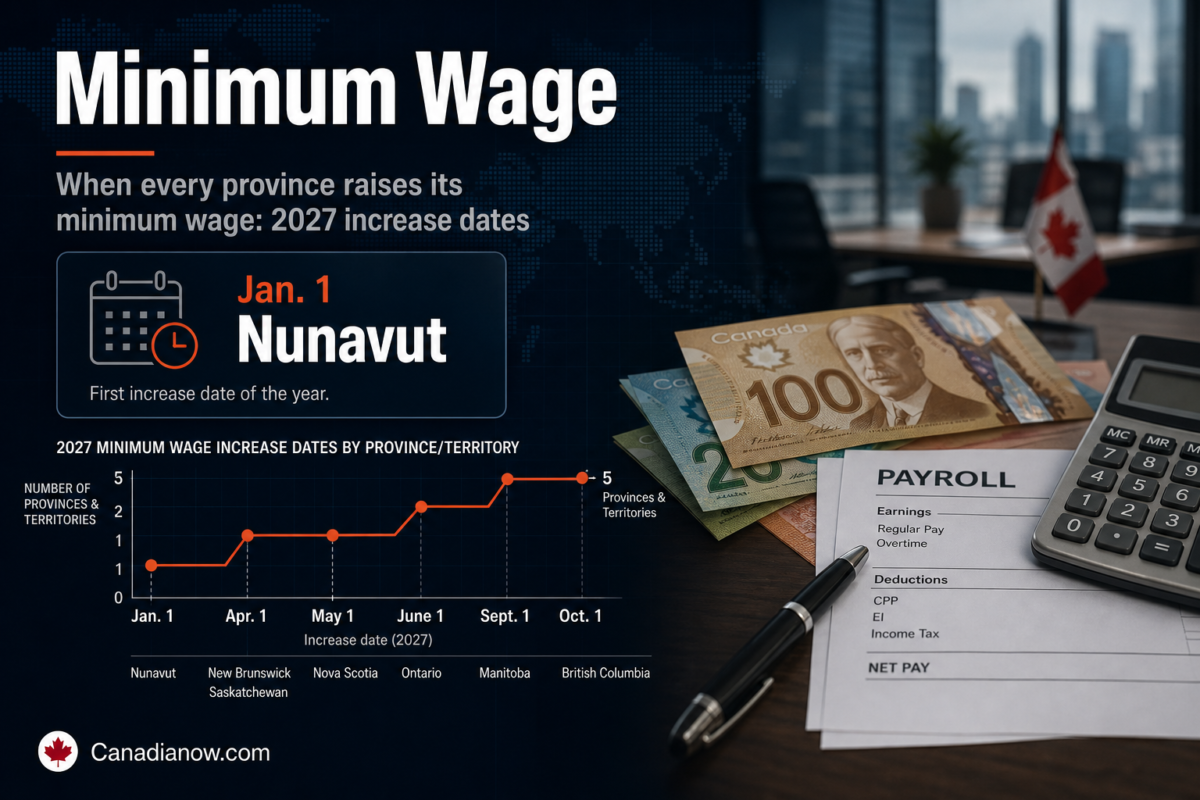
Here is the 2027 schedule of increase dates.
When Each Province Adjusts Its Minimum Wage
- January 1 — Nunavut
- April 1 — Federal minimum wage (federally regulated workplaces), New Brunswick, Newfoundland and Labrador, Nova Scotia, Prince Edward Island, Yukon
- May 1 — Quebec
- June 1 — British Columbia
- September 1 — Northwest Territories
- October 1 — Ontario, Manitoba, Saskatchewan
Alberta is the outlier: it has no legislated annual adjustment date and its rate changes only when the government decides to change it.
Most Increases Are Formula-Driven, Not Political
This is the part that makes the dates predictable. Most jurisdictions now tie the annual adjustment to the Consumer Price Index rather than deciding a number from scratch each year. The new rate is typically announced one to three months before it takes effect.
That means the increase is usually known well before the date arrives — Ontario’s October 1 rate, for example, is normally announced in the spring. If you want the number early, the announcement is where to look, not the effective date.
The Federal Rate Only Covers Some Workers
A common misunderstanding: the federal minimum wage does not apply to most jobs. It covers federally regulated sectors — banks, telecommunications, interprovincial transport and shipping, and certain Crown corporations.
If the federal rate is higher than your province’s, federally regulated employers must pay the higher one. Everyone else follows their provincial or territorial rate.
Two Increases in One Year
Some provinces have run two adjustments in a single year — an indexed increase on the scheduled date plus a separate legislated step. Prince Edward Island in particular has used April and October increases in the same year.
So a single “current rate” figure can go out of date twice within twelve months in some jurisdictions.
Special Rates That Are Not the General Minimum
Several provinces set separate rates that sit below or beside the general minimum:
- Liquor servers — a lower rate applied in some provinces, though several have eliminated it
- Students under 18 — a reduced rate in Ontario and some others, generally tied to hours worked during school terms
- Homeworkers — in Ontario, a rate set above the general minimum
If you are being paid below the headline rate, one of these categories may apply — or you may be owed money. Employment standards branches handle both questions.