CanadiaNow
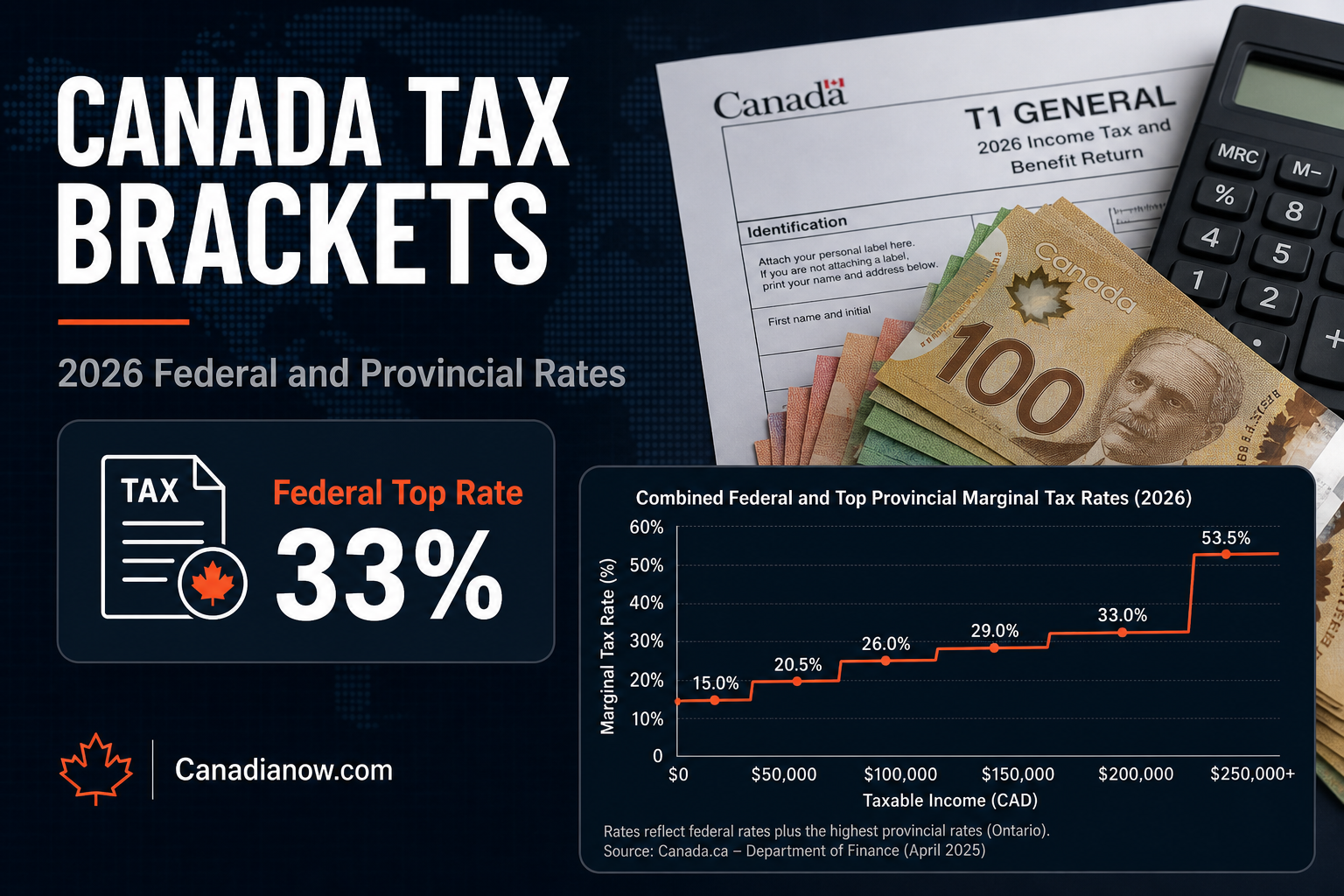
Tax Brackets by Province in Canada (2026 Federal and Provincial Rates)
Updated September 24, 2026. Canadians pay two layers of income tax: federal tax, which is the same everywhere, and provincial ...
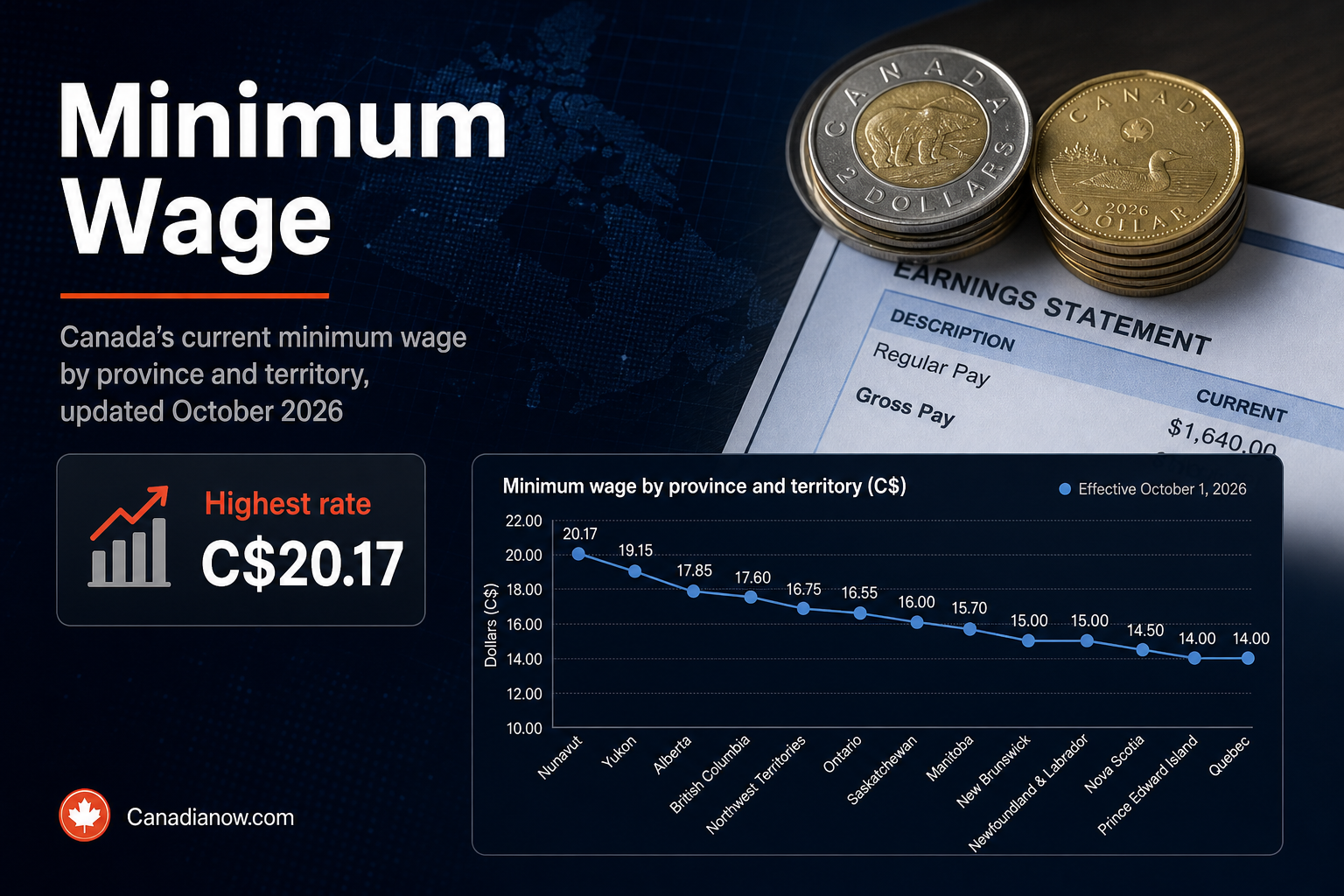
Minimum Wage by Province in Canada (Updated October 2026)
Updated September 24, 2026. Canada has no single minimum wage. Each province and territory sets its own, the federal government ...
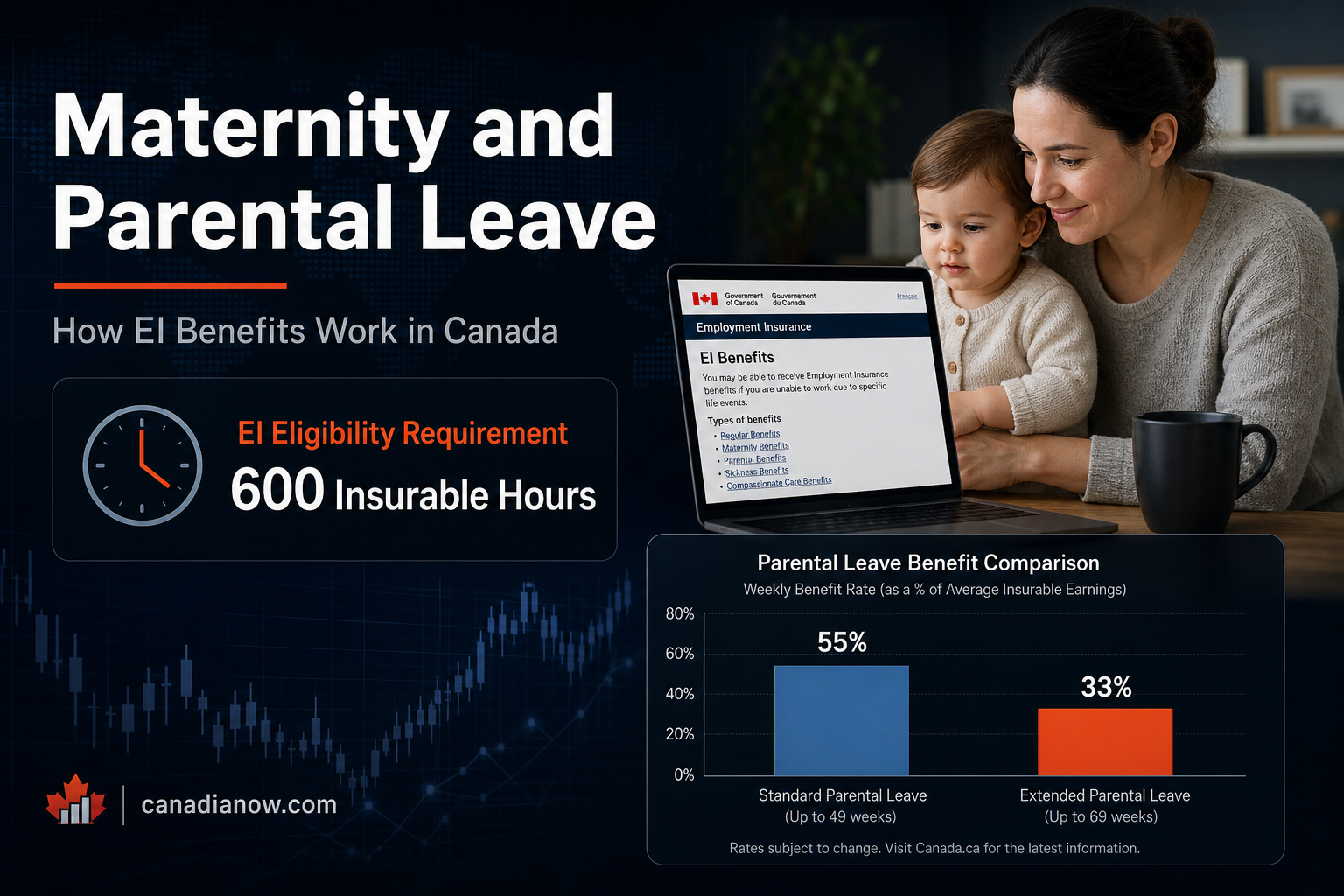
How Does Maternity and Parental Leave Work in Canada? (EI Benefits Explained)
Canada’s maternity and parental leave system surprises a lot of newcomers — not because it’s ungenerous (it’s substantially more generous ...
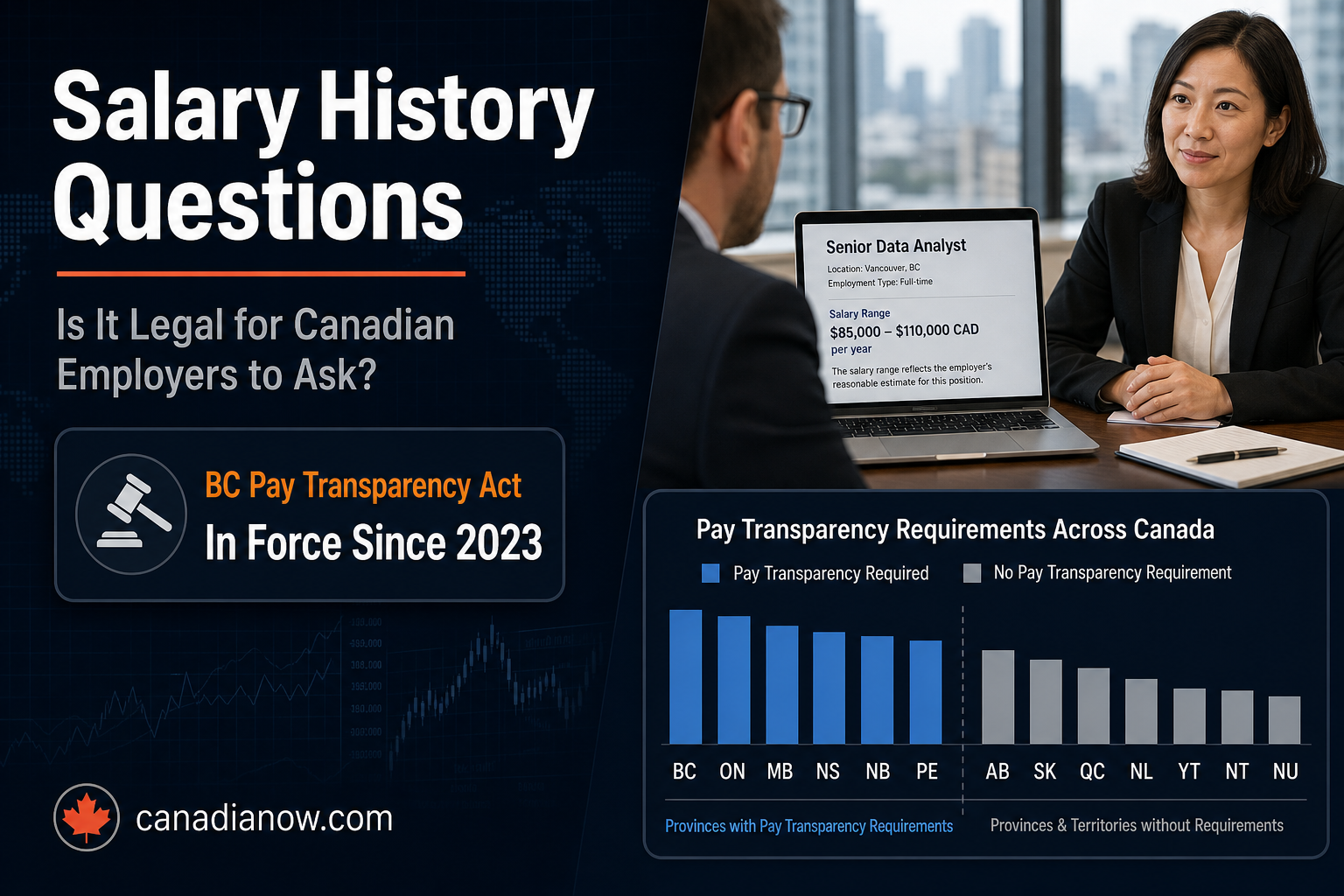
Is It Legal for Employers to Ask Your Current Salary in Canada?
“What’s your current salary?” is one of the most common — and most uncomfortable — interview questions newcomers face, especially ...
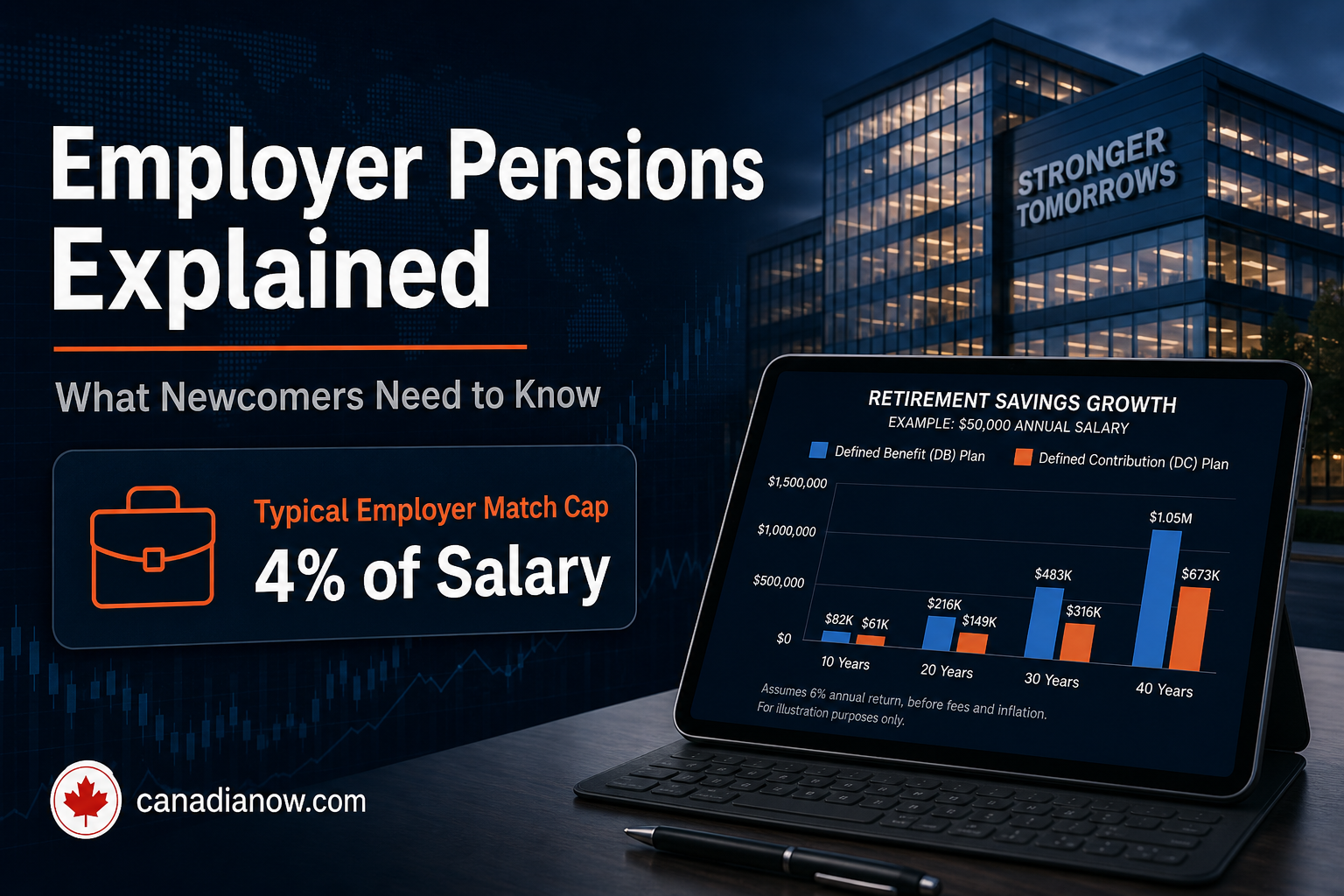
Employer Pension Plans in Canada: What Newcomers Need to Know
A job offer that mentions “we offer a pension plan” sounds like a nice-to-have until you understand what it’s actually ...
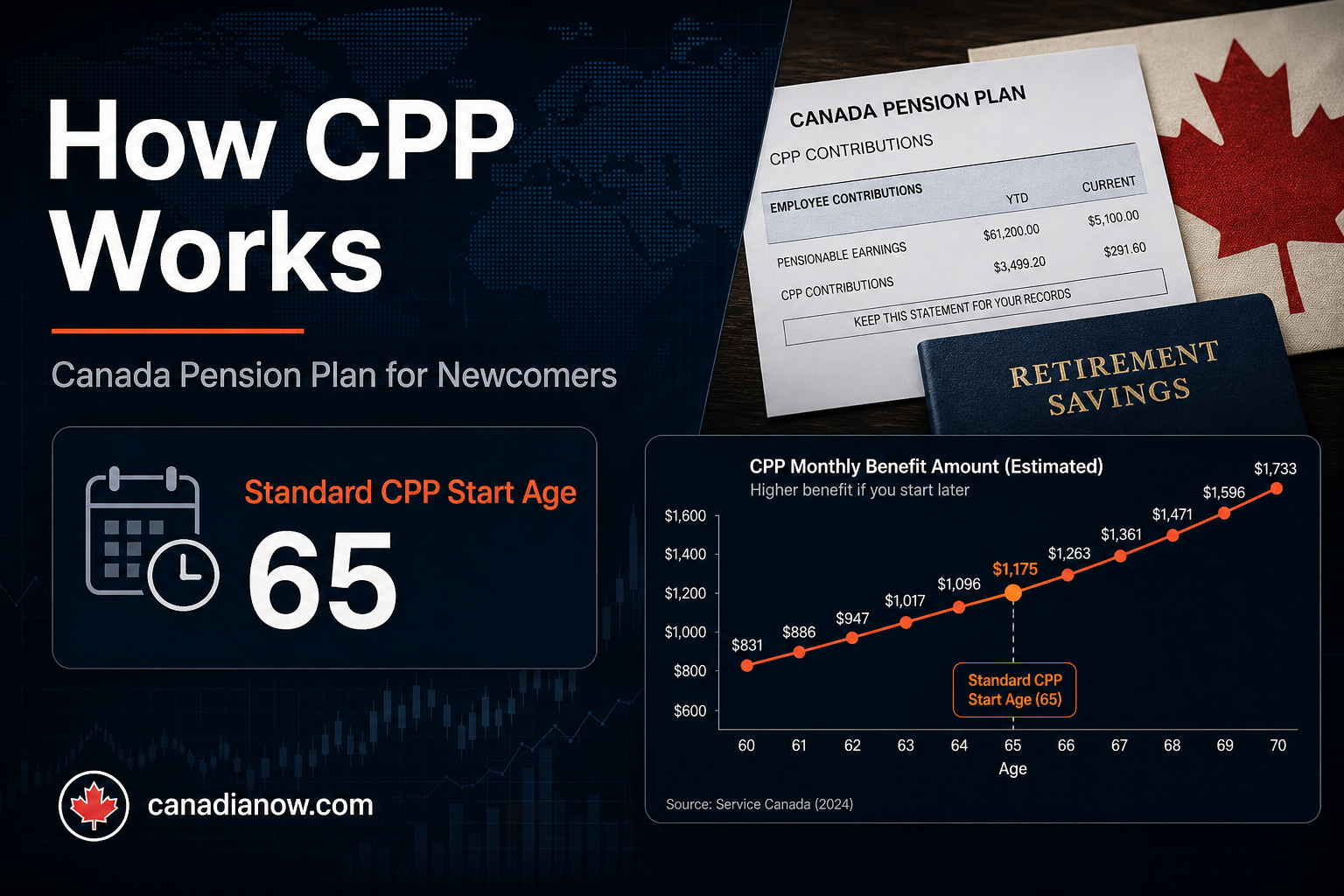
How Does CPP (Canada Pension Plan) Work for Newcomers?
Every paycheque in Canada shows a deduction labelled CPP, and most newcomers assume it works like a retirement plan back ...
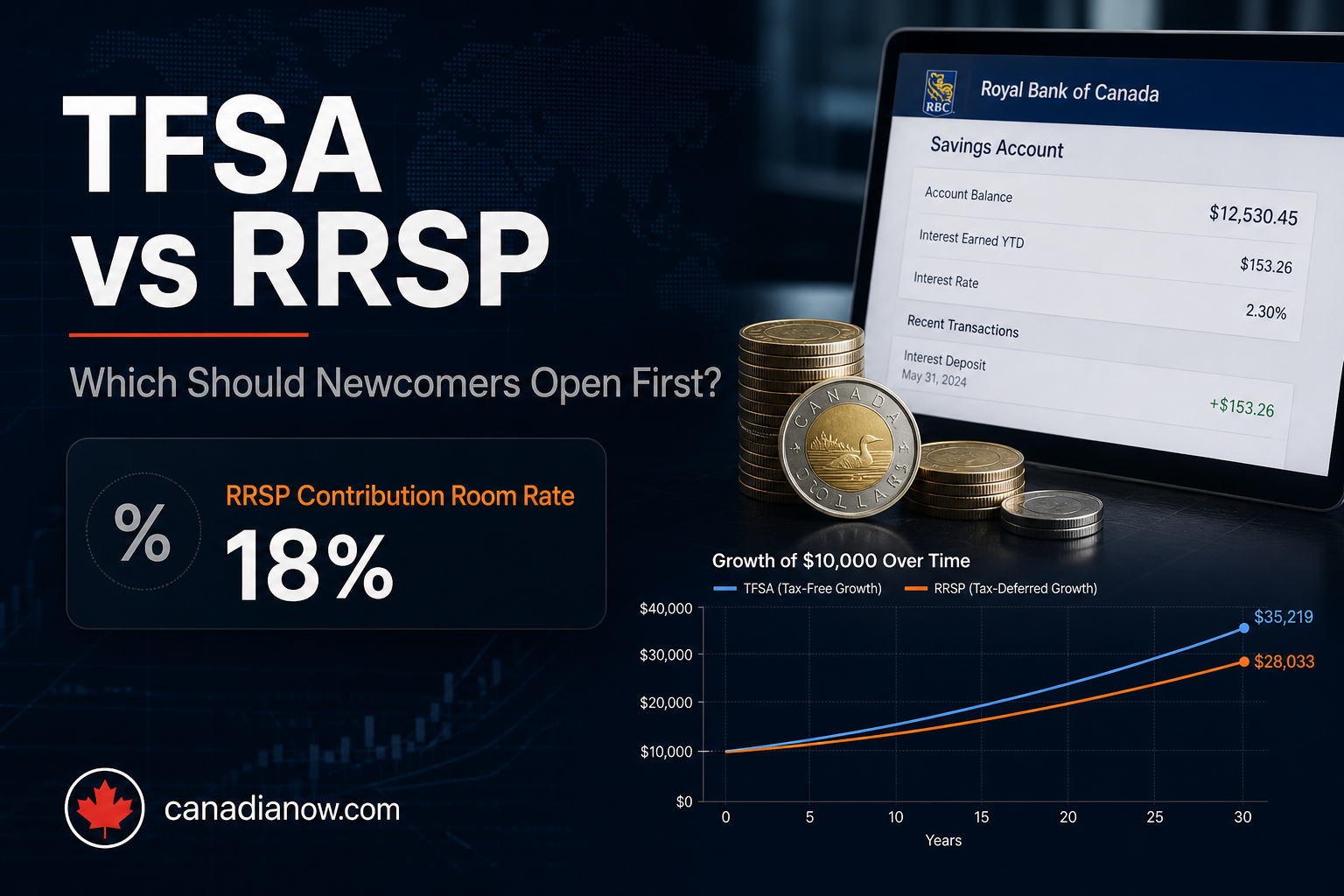
TFSA vs RRSP: Which Should Newcomers Open First?
Once you have a Canadian bank account and a paycheque landing regularly, the next question almost every newcomer asks is ...

How Self-Employed and Freelancers Pay CPP and Taxes in Canada (No Employer Withholding)
Quick Answer If you’re self-employed, freelancing, or working as an independent contractor in Canada, no employer withholds tax, CPP, or ...

What Is a Good Salary in Canada in 2026? The Honest Answer
A good salary in Canada in 2026 is approximately $75,000 to $95,000 per year for a single person — but ...
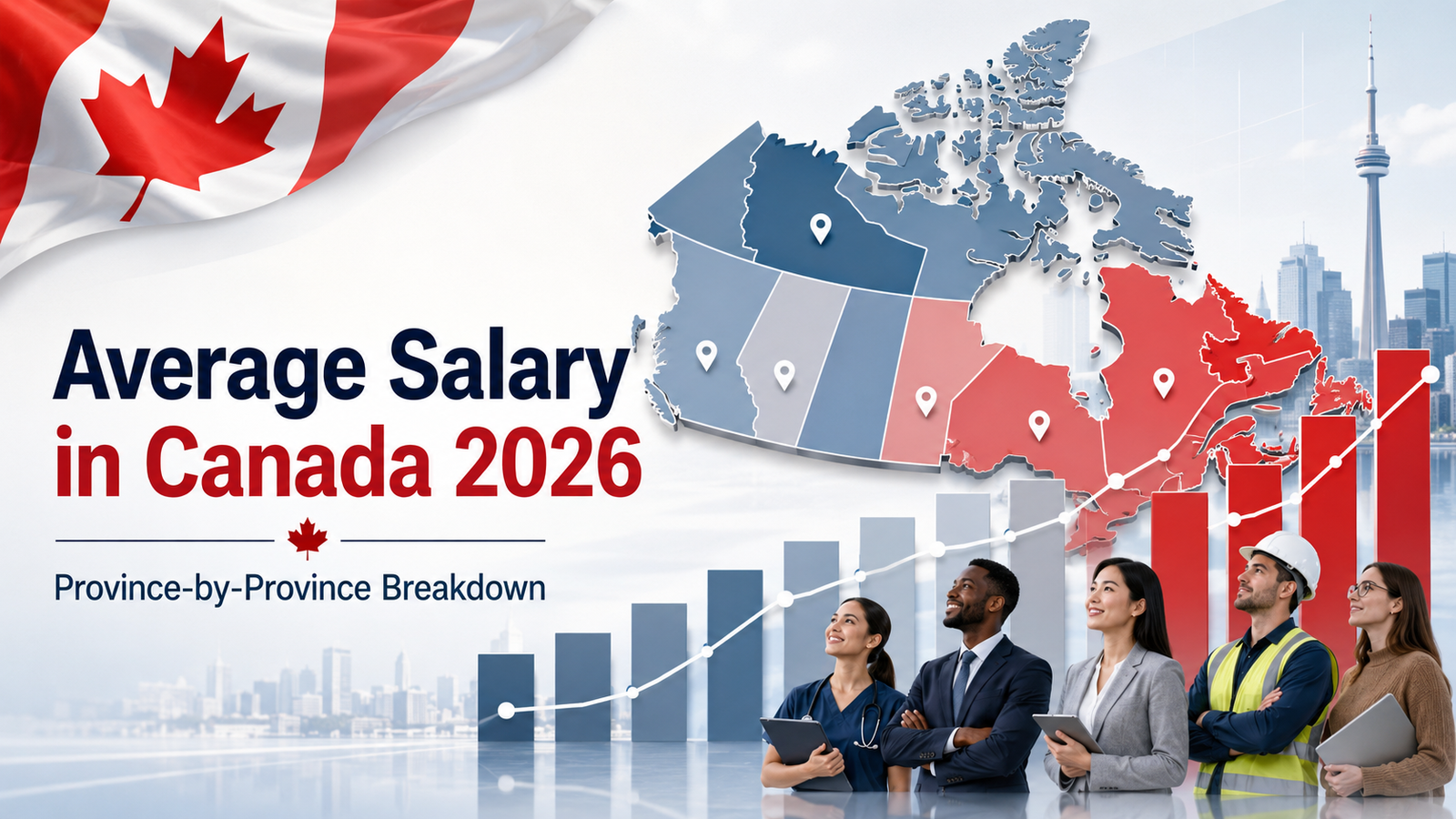
Average Salary in Canada (2026): Province-by-Province Breakdown
The average salary in Canada is about CAD $68,400 per year in 2026, but the median is closer to $63,000. See province-by-province breakdown, what affects your pay, and how it varies by industry.